

About corrine
This author has not yet filled in any details.So far corrine has created 54 blog entries.
E.H.Williams Nature Observations September 8th, 2021
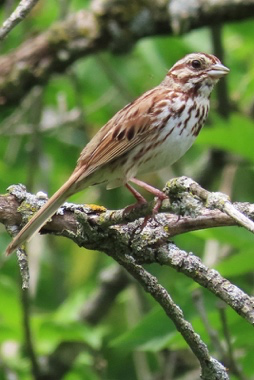
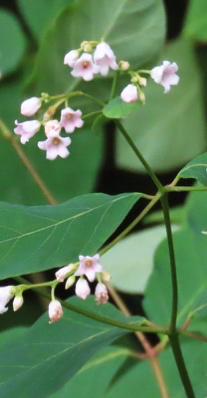
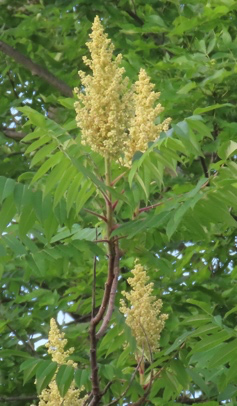
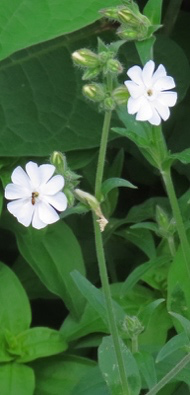
With fall well underway, here’s the last (!) nature update for 2021. All photos below are from this morning, Sep 8, 2021.
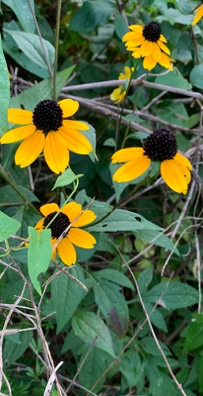
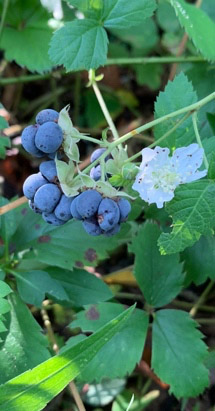
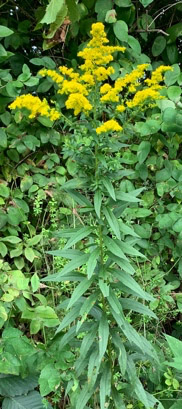
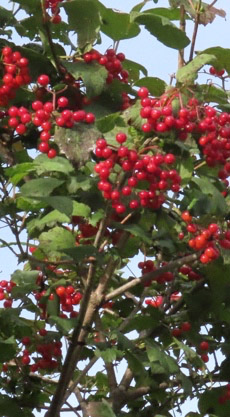
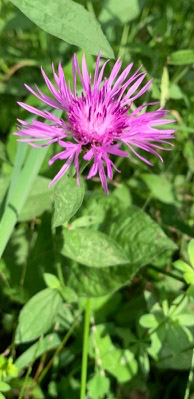
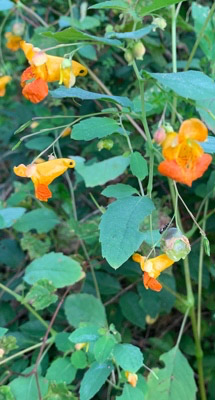
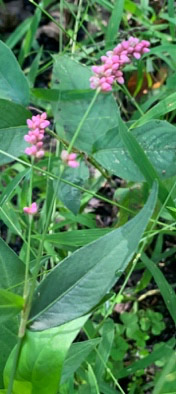
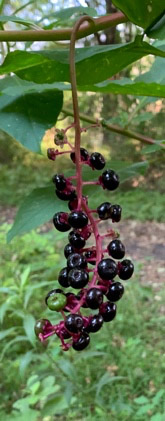
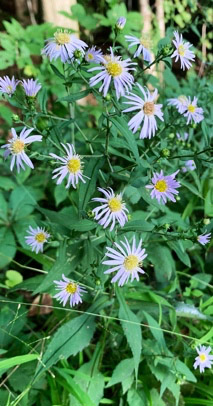
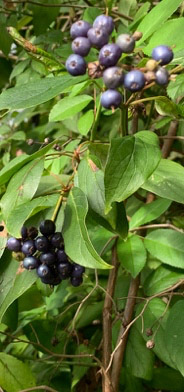
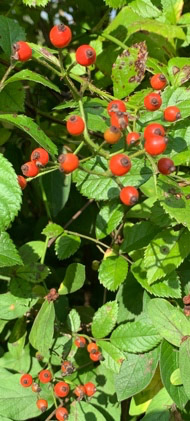
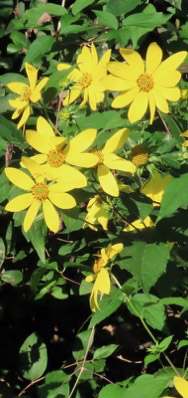
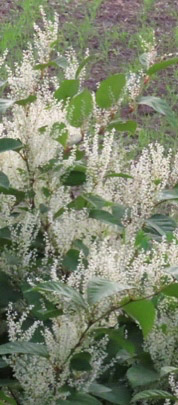
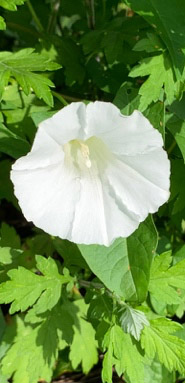
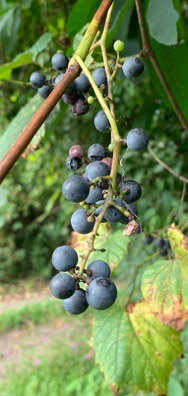
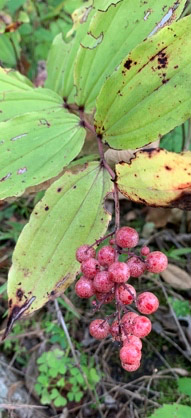
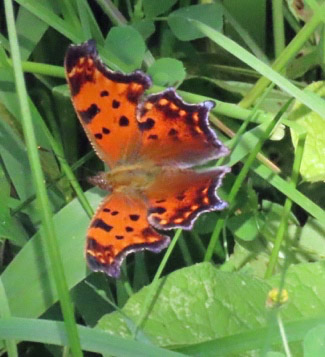
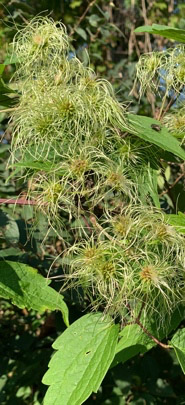
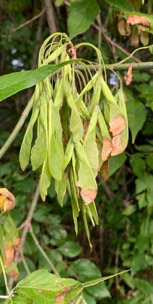
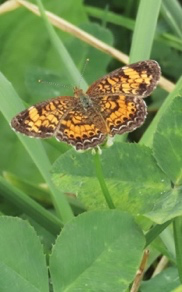
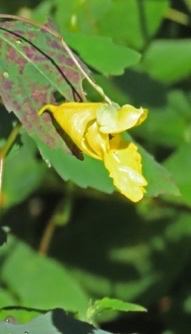
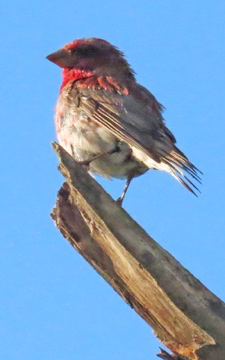
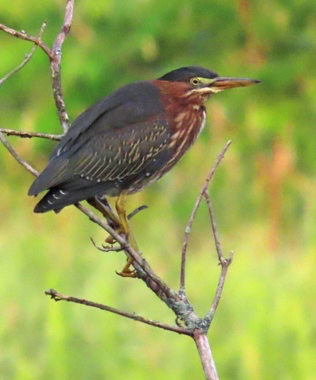
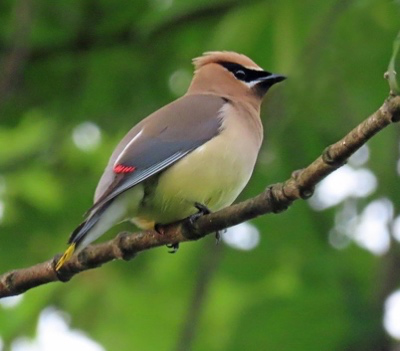
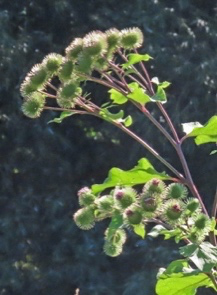
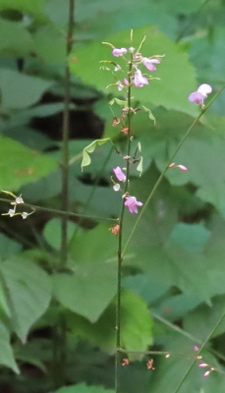
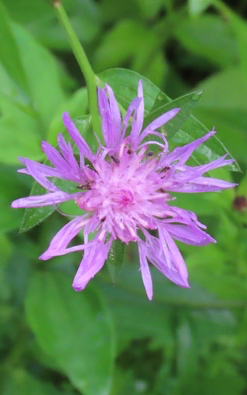
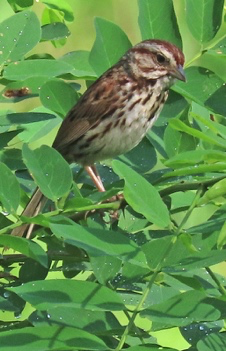
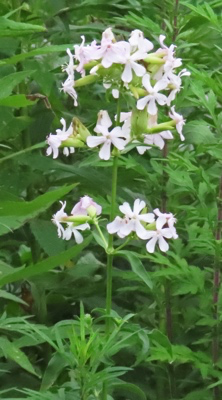
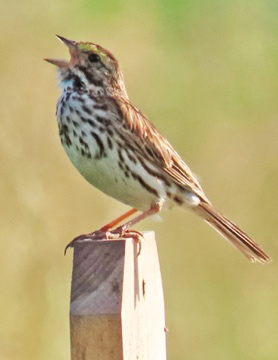
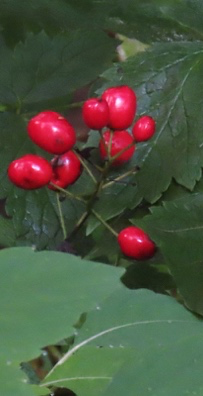
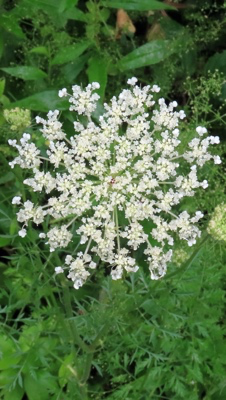
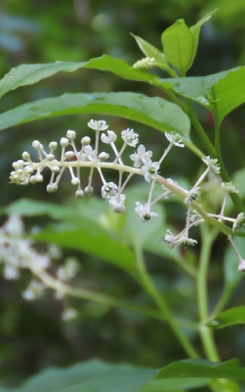
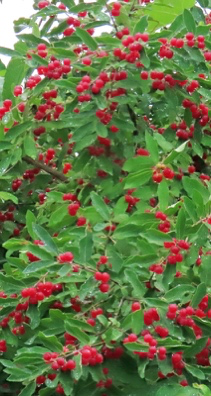
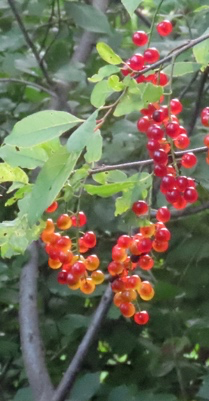
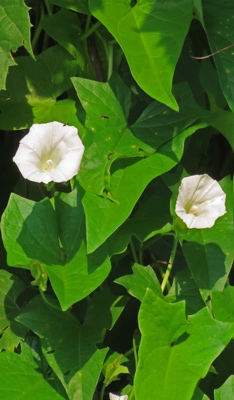
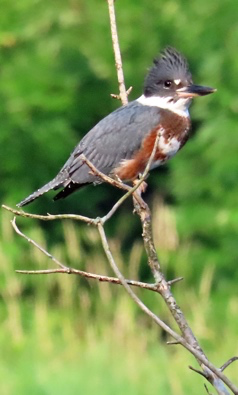
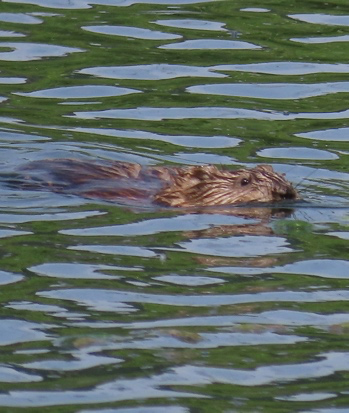
Migration has begun, but many young birds can be seen, along with a few butterflies. A great blue heron and kingfisher were at the pond (always a hot spot), and so too was a baby beaver! The second and third rows show plants currently in flower along the trail, including typical late season asters and goldenrods and (boo, hiss) invasive Japanese knotweed and spotted knapweed. The 4th row shows end-of-season fruits. The trail will remain a very nice place to walk for another 2 months, so here’s a challenge for you: if you go soon, how many of these flowers and fruits can you see?![]()
E.H.Williams Nature Observations August 5th, 2021
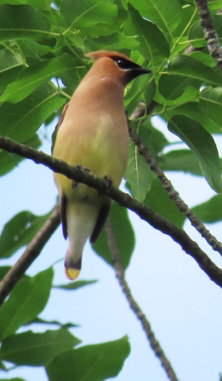
Late season changes have arrived with the month of August. Bird song has diminished significantly, but birds are still abundant, many young being present. The plants in flower are those with extended flowering periods, a number of which have been featured in previous updates. The photos below are all since the last KT nature update (July 19); the first row shows birds from around the pond, always a hot spot for observations.![]()
E.H.Williams Nature Observations July 19th, 2021
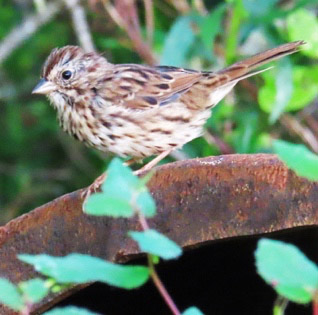
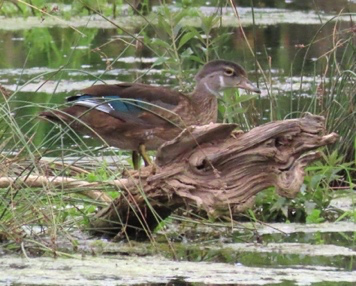
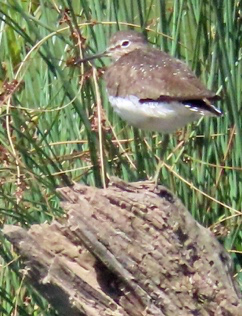
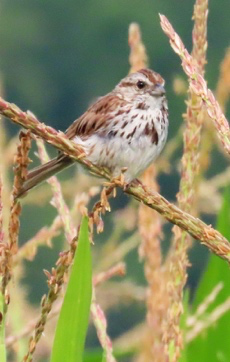
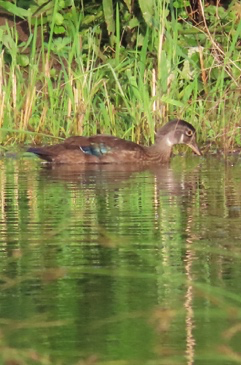
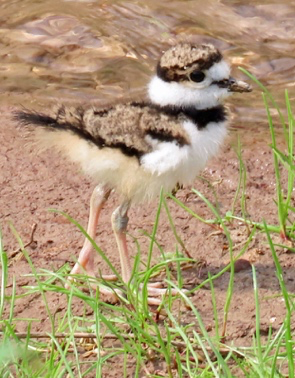
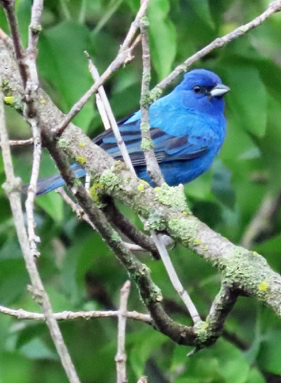
The photos below are mostly from today, July 19, with a few from the past two weeks; they show what to look for along the trail. Thirty species of birds were singing this morning, with song sparrows, indigo buntings, common yellowthroats, and catbirds being quite common. A spotted sandpiper, belted kingfisher, and juvenile wood duck were active on the pond. A week ago, a baby killdeer and protective parent greeted walkers to the trail.
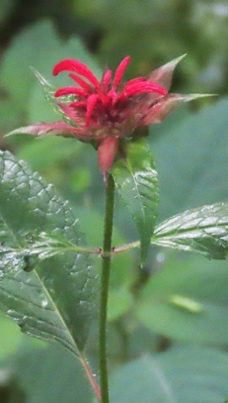
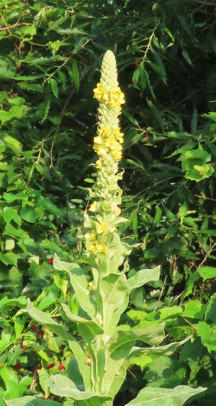
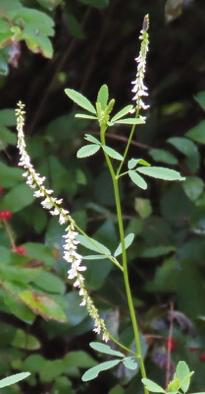
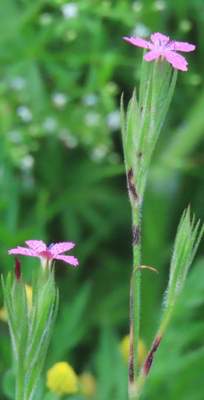
Flowers open now include soapwort, Queen Anne’s lace, woolly mullein, bindweed, beebalm, pokeweed, tick trefoil, and yellow and white sweet-clovers. Spotted knapweed has started to flower – very pretty but a noxious invasive. The summer is passing quickly as it always does, and honeysuckle, chokecherry, and red baneberry have all started producing brightly colored fruit. Tussock moth caterpillars are hanging on silk threads from overhead branches.
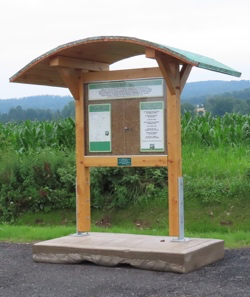
An information kiosk is a new addition to the trailhead! It has an excellent map and trail rules, and in the future we may add a list current nature sightings to keep trail walkers informed of what to look for. You may see orange topped stakes along the trail edge; these stakes mark distances from Dugway Rd, with the number on each telling you how many hundred yards you have come (e.g., stake 10 is at the pond, which is 1000 yards from Dugway).![]()
E.H.Williams Nature Observations June 27th, 2021
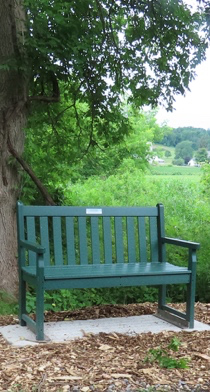
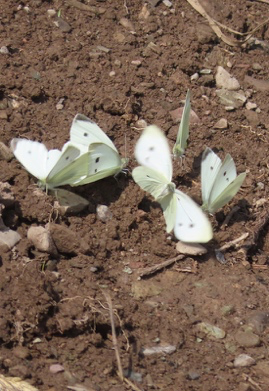
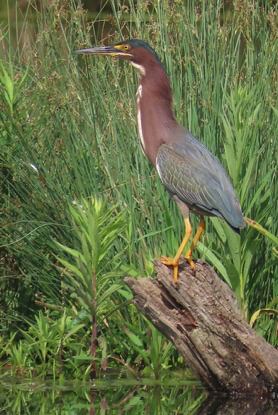
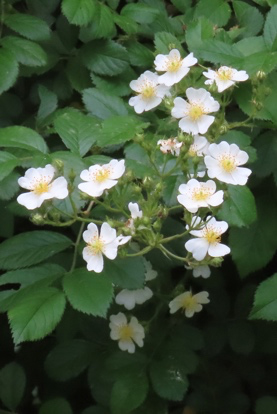
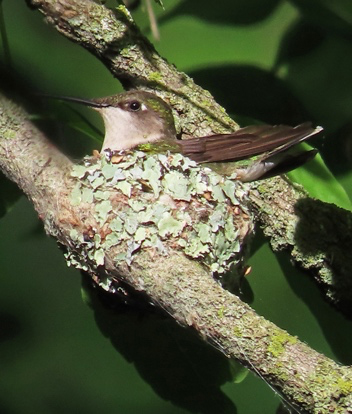
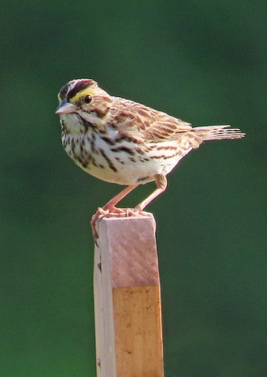
Much has changed along the trail during the month of June. Multiflora rose had just started to flower in early June but now is finished; all the other flower photos below are from today, June 27. Our local breeding birds keep singing, and the birds shown below are all regulars (June photos). A beaver is active in pond 10 every day, and a green heron is often there, too. The sighting of the month, however, was a nesting ruby-throated hummingbird!!! (thanks to Carol Adams for finding it) – a wonderful sighting. In several places, cabbage white butterflies are “puddling” on moist soil where they can take up sodium. The current KT challenge for each of you is to sit on each of the four new benches now in place along the trail; doing so will let you observe nature in four different habitats…
E.H.Williams Nature Observations June 2nd, 2021
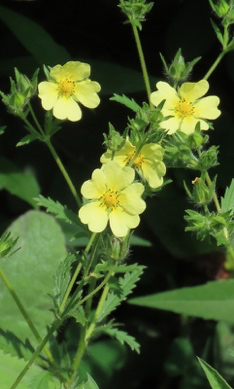
This update shows what is in flower now – all flower photos are from 1 Jun – with bird and butterfly observations from the past two weeks. As always, you can see much along the Kirkland Trails! Dame’s rocket and chervil are the most abundant flowering plants, but look for the white flowering shrubs: red-osier dogwood, nannyberry, and mapleleaved viburnum. Several butterfly species can be found flying in sun-lit open areas. Tree swallows are nesting in one of the field boxes north of Dugway; I was repeatedly dive-bombed by the parents on Jun 1. Hooded warbler was a nice sighting yesterday. Two green herons are regulars at pond 10, and a wood duck was on pond 17. Watch out for baby chipmunks along the trail!![]()
E.H.Williams Nature Observations May 12th, 2021
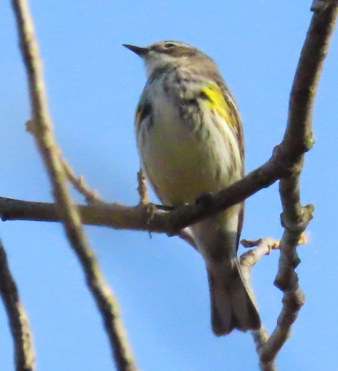
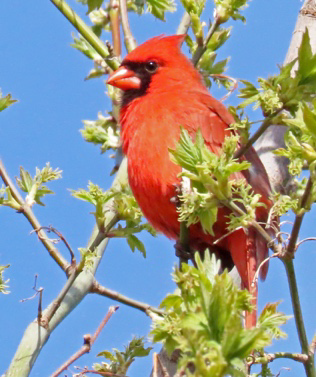
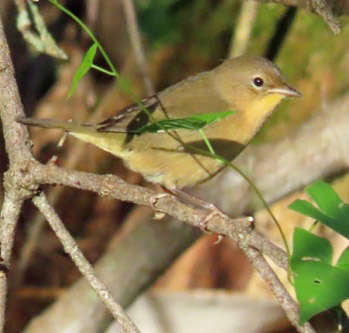
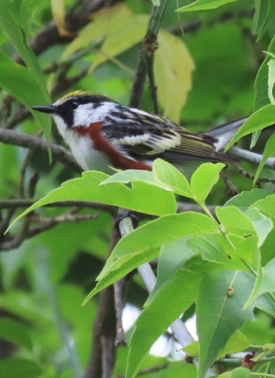
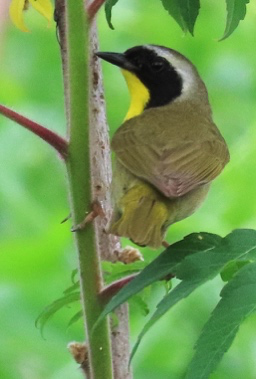
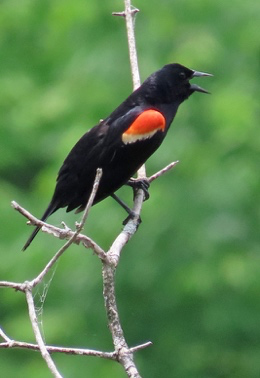
Much is happening along the Kirkland Trail. The May 1 update focused on late April wildflowers, but a surge of incoming migrant birds, especially warblers, has appeared during the first week of May, so this update focuses on birds. Most abundant are yellow warblers and common yellowthroats, along with red-winged blackbirds, song sparrows, goldfinches, cardinals, and catbirds. The distinctive songs of warblers can be heard along most of the trail, including the “wichety wichety wichety” of yellowthroats, which are the “official” birds of the pandemic – they wear a mask and stay at a social distance! I’m including these photos from the trail in the past few days to show you what you can see for yourselves.
Keep an eye on the pond at marker #10; recent sightings at the pond have included green heron, spotted sandpiper, belted kingfisher, mallards, and (always) Canada geese. Tree swallows and barn swallows fly over the fields around Dugway. Rose-breasted grosbeaks are in the area, and indigo buntings will soon be along the trail. Pheasants, chipmunks, rabbits, and painted turtles live there too.
E.H.Williams Nature Observations May 1st, 2021
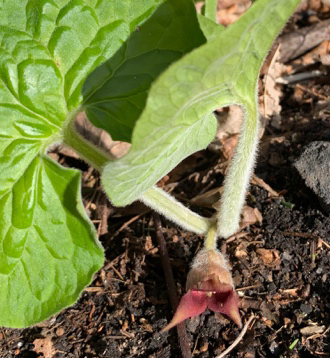
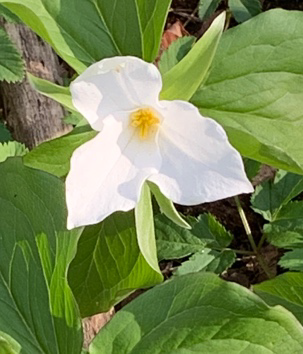
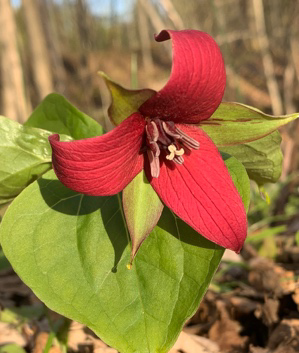
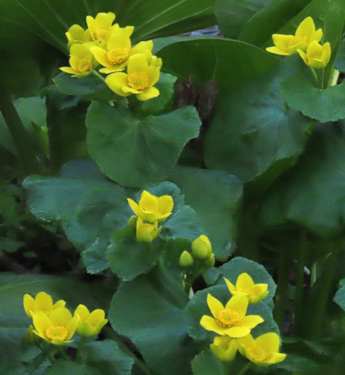
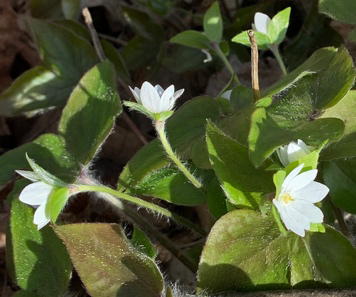
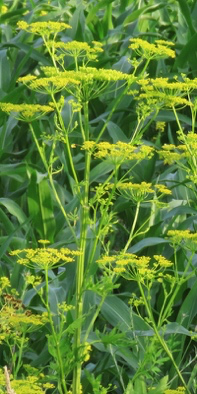
Spring is here, and much is happening along the Kirkland trail! All the following photos and observations were from the afternoon of May 1. Most noticeable are the spring specialties: abundant red and white trilliums, marsh marigold, sharp-lobed hepatica, spring beauties, and blue cohosh. Adding to the display are shadbush, 3 species of violets, golden Alexanders, purple dead-nettle, speedwell, and myrtle (aka periwinkle, Vinca). And more are on the way!
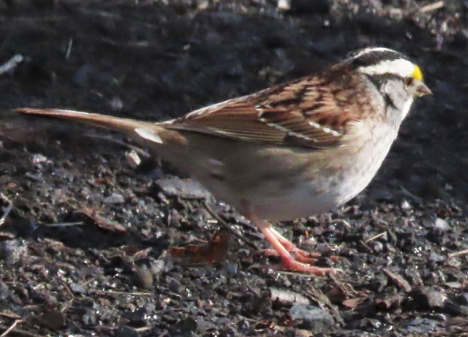
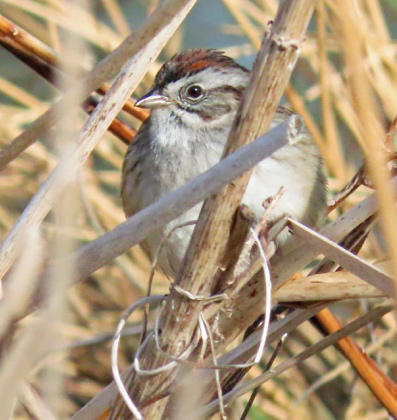
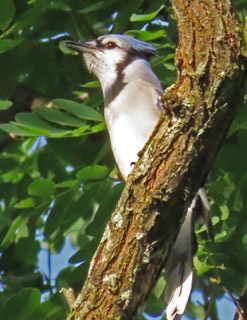
Birdlife is abundant, with song sparrows and red-winged blackbirds singing all along the trail. Recently arrived species included brown thrasher, tree swallow, barn swallow, ruby-crowned kinglet, and chipping sparrow. Belted kingfisher and pheasant have been loudly announcing their presence. Other birds making an appearance are great blue heron, red-bellied woodpecker, downy woodpecker, white-throated sparrow, northern cardinal, house finch, goldfinch, mourning dove, red-tailed hawk, blue jay, titmouse, robin, and (of course) crow. Soon we’ll add warblers.
Also seen along the trail are painted turtles, cabbage white butterflies, and ever-present chipmunks. A beaver lodge is visible, and both leopard frogs and American toads have been singing. Although the fairies themselves have been elusive, fairy houses have reappeared along the trail north of Dugway as well as south (the north trail beyond the open field is a lovely, more intimate trail). Emerging leaves add a lace-like green to the spring forest, making this prime time for a trail walk in the woods with much to see and enjoy.

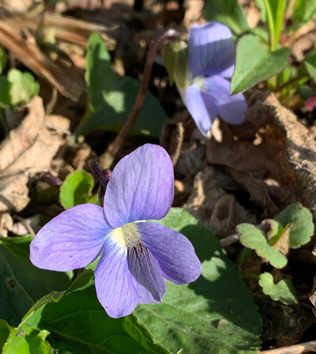
Want to test your knowledge? Hover your mouse over or click on any image to see the name!
Thanks for a successful work day!
Our knotweed cutting and raking work day was a great success. Thanks to everyone who helped by loaning tools or working at the site or both. The day began cool but sunny, and thirteen students from Mrs. Callaghan’s Environmental Science class came to work. The work crew, students and Mrs. Callaghan and KT members, got a great deal done in the hour and a half that the students worked. There are now piles of knotweed stalks gathered along the side of the trail awaiting the next work day (when the stalks will be burned).
Again, many thanks!
Gerry