

corrine

About corrine

This author has not yet filled in any details.
So far corrine has created 54 blog entries.

E.H.Williams Nature Observations April 9th, 2021

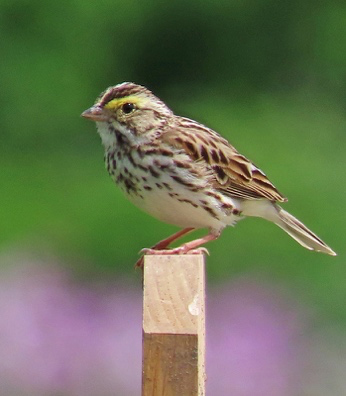
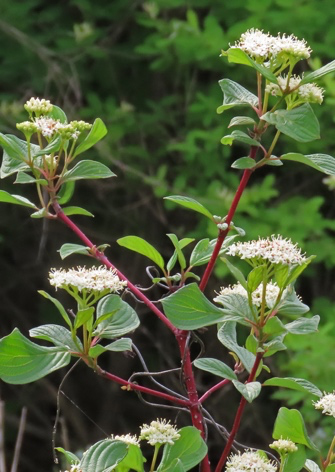
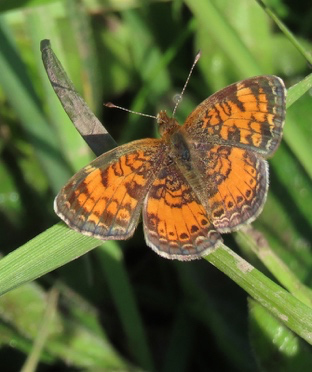
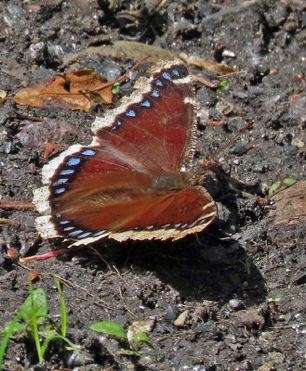
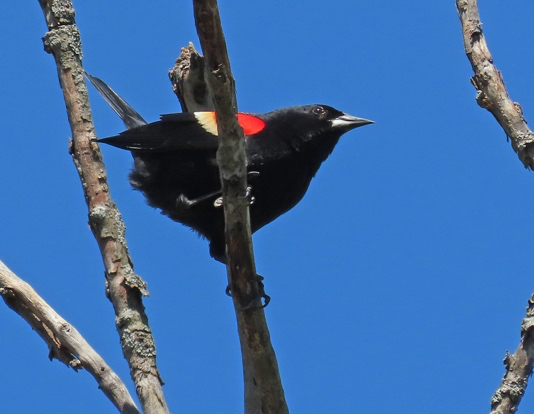
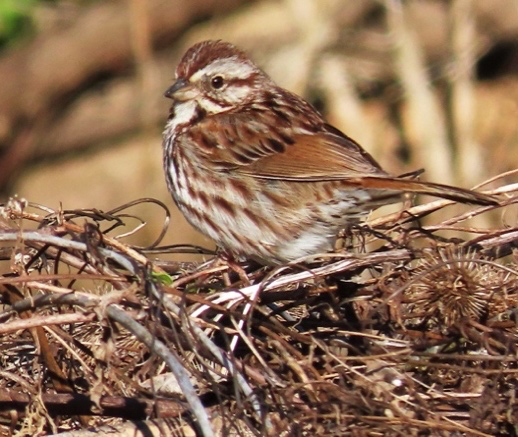
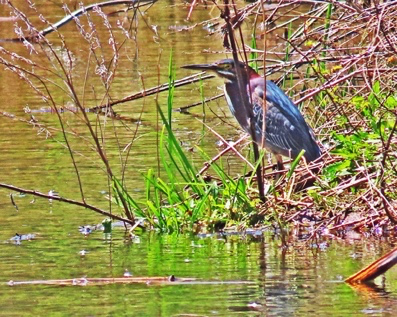
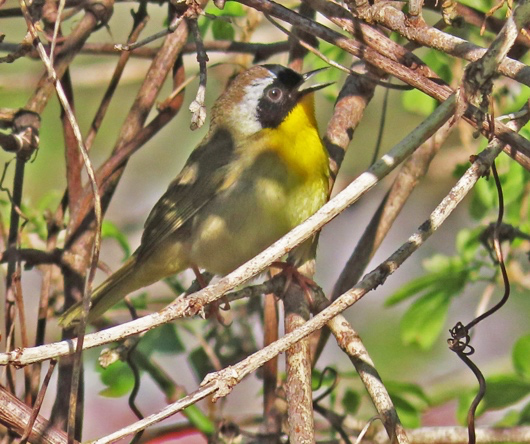
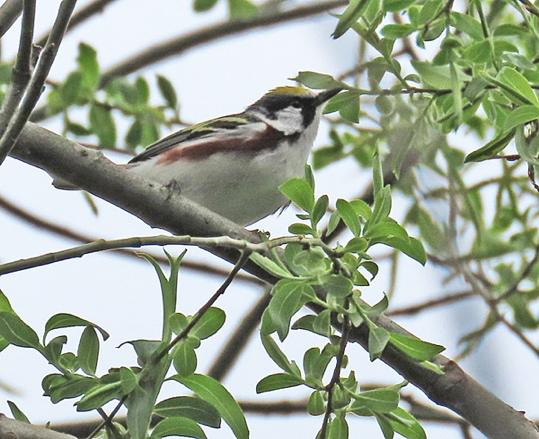
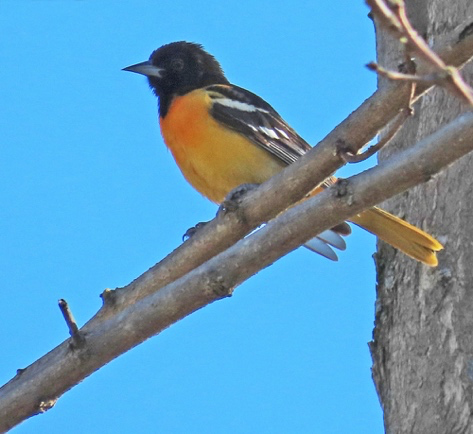
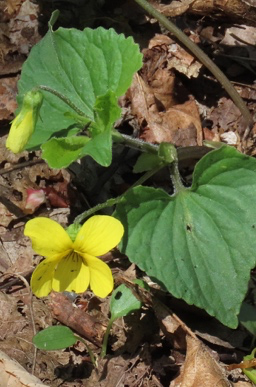
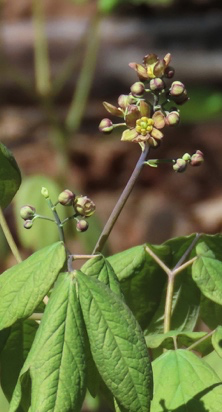
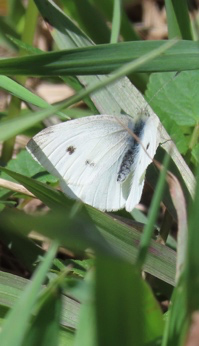
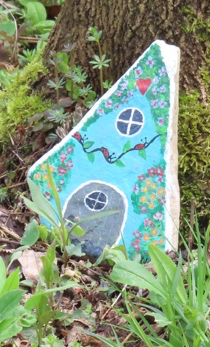
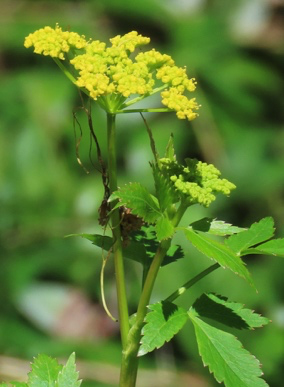
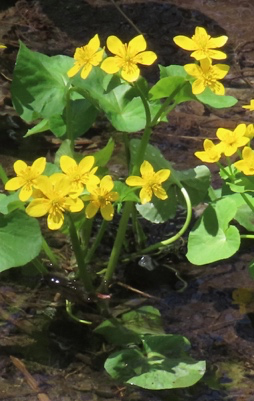
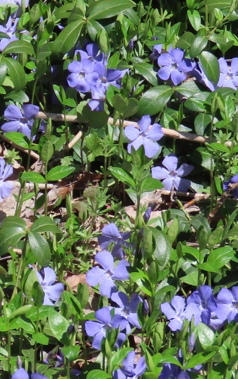
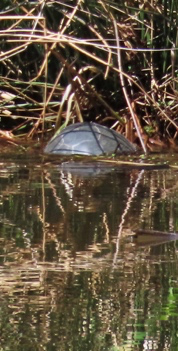
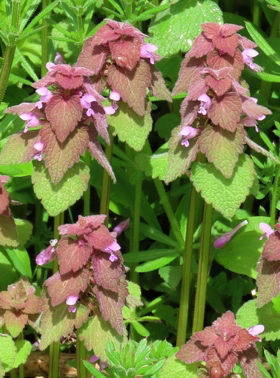
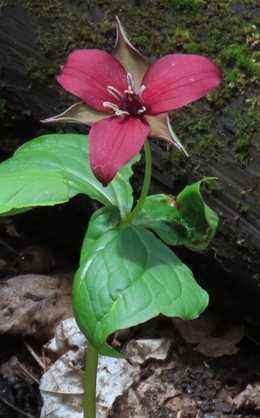
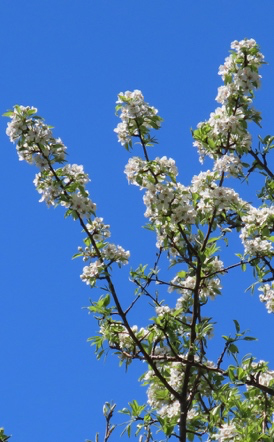
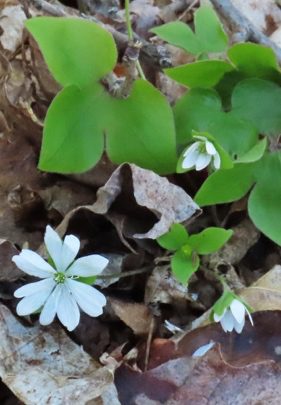
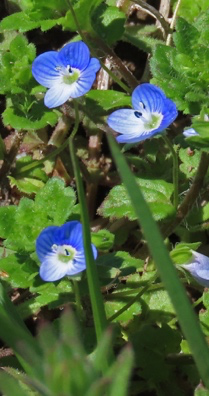
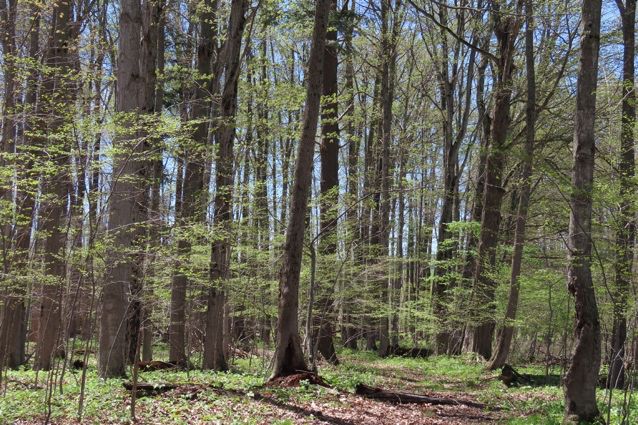
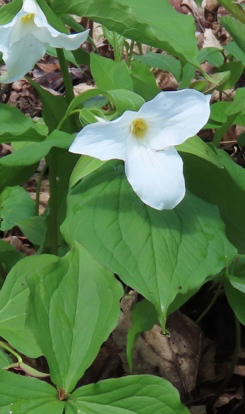
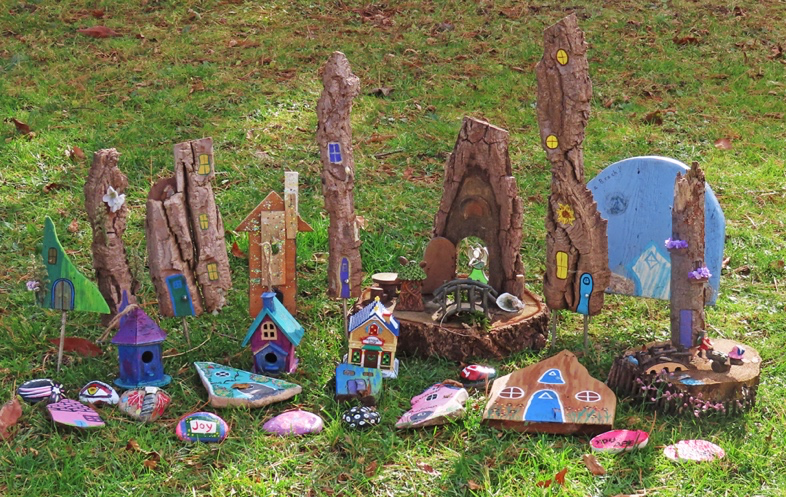
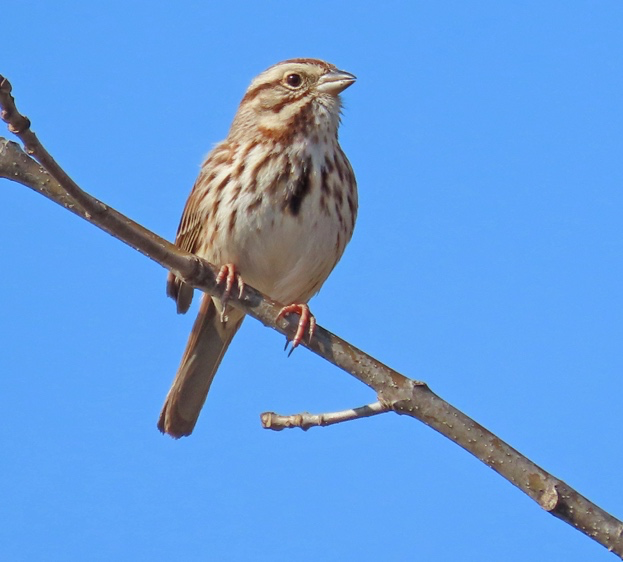
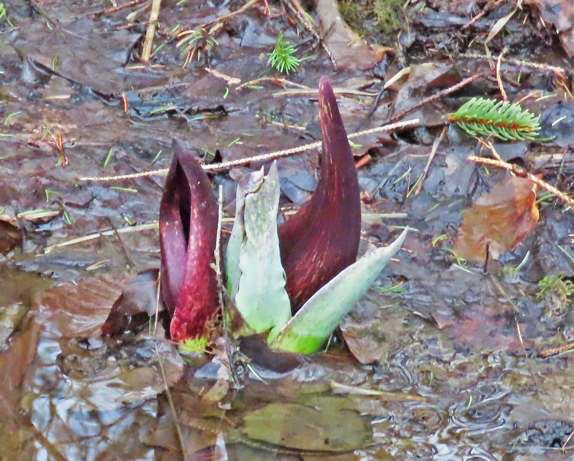
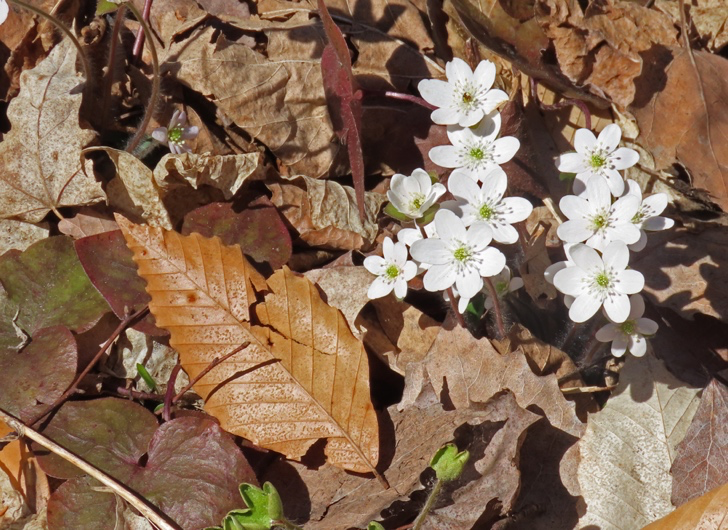
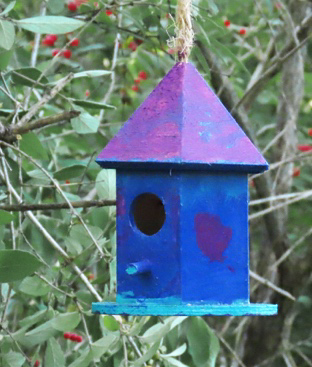
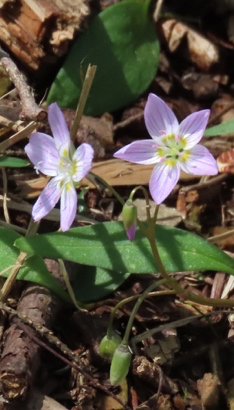
Spring is springing, and we’re delighted that it is! Hepatica is fully open now along the trail; it’s the first wildflower to follow skunk cabbage, which opens up very early in low wet areas. Bird life is more active now with abundant red-winged blackbirds and song sparrows. Mourning cloak butterflies have been flying along the trail during the past few warm days. The photos below (except the fairy houses) are from the trail in the past few days. This coming Wednesday (April 14) morning we will return the fairy houses that we saved from the trail before snow started flying last fall. We’ll leave them at the Dugway Rd trailhead for families and kids of all ages to reinstall wherever they want along the trail. Although the far part of the trail was disrupted last November by widening, the entire 1.9 mile trail from Dugway to Deansboro is in very fine condition now for walking, biking, running, birding, and enjoying the outdoors.
E.H.Williams Nature Observations April 9th, 20212021-04-12T11:28:37-04:00

E.H.Williams Nature Observations September 20th, 2020

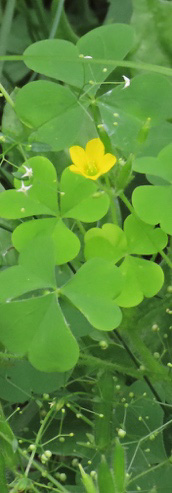
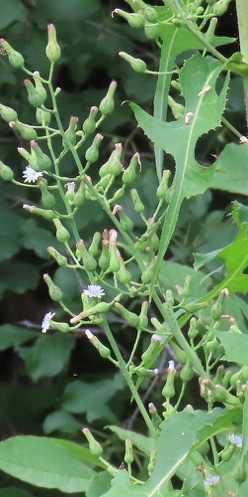
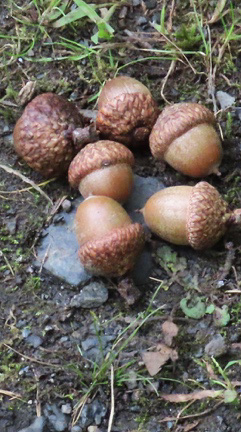
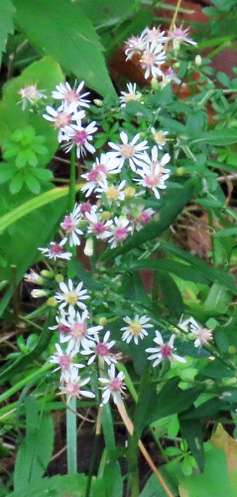
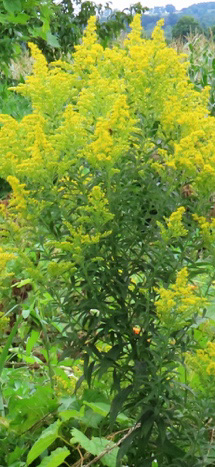
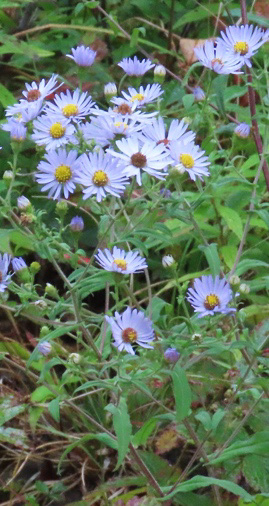
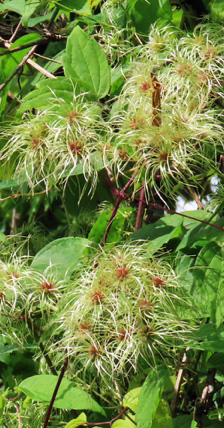
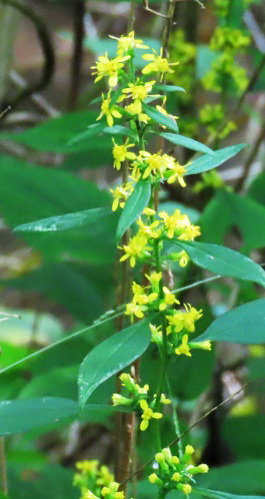
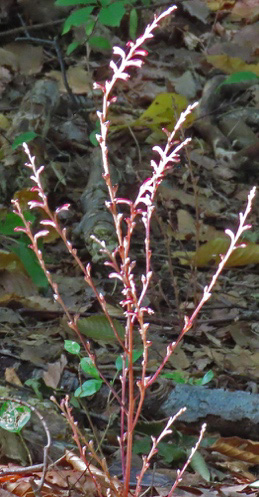
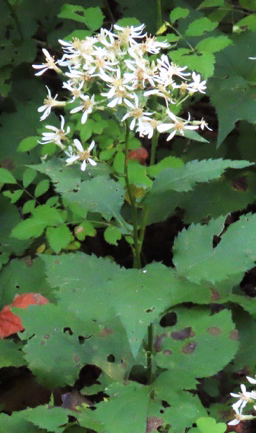
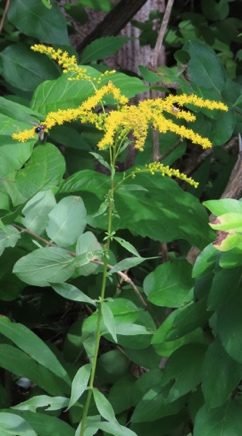
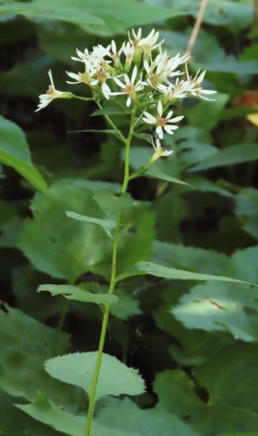
The summer is winding down quickly. The latest plants to flower, all nice additions, are blue-stemmed goldenrod and crooked-stemmed and panicled asters, along with beechdrops, a non-green parasite on beech roots. Fall is the season for seeds and fruits, and you’ll see many. A number of plants have been flowering for a long time now and have remained conspicuous in September (see the bottom row) but are fading fast. Since late April, I’ve identified 146 plant species along the trail (with the flowering phenology of most; ask if you’re interested).

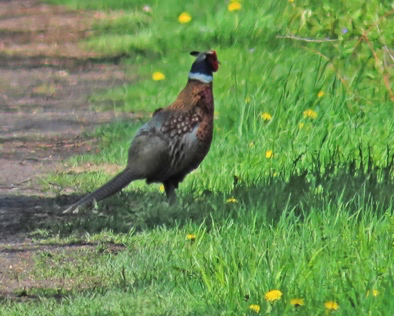
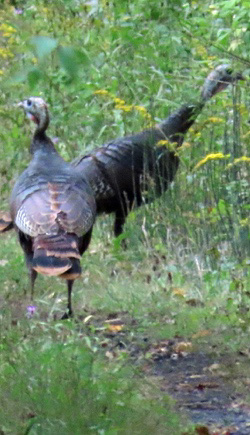
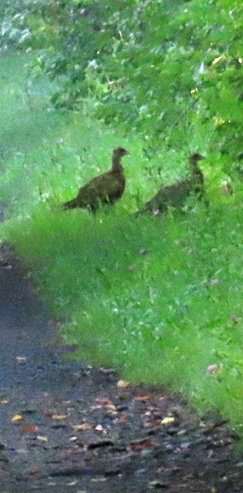
Bird life is much quieter now, although catbirds and crows regularly announce their presence. Pheasants and turkeys have been sighted on the trail, while fall warblers (northern waterthrush last week) dart in and out, preparing for migration. There are always things to be seen along the trail, but this is the last nature update for 2020. Keep using the trail and keep your eyes open! Let me know what you see.
Want to test your knowledge? Hover your mouse over a picture to see what it is!

E.H.Williams Nature Observations September 20th, 20202020-09-22T13:39:21-04:00

E.H.Williams Nature Observations August 24th, 2020

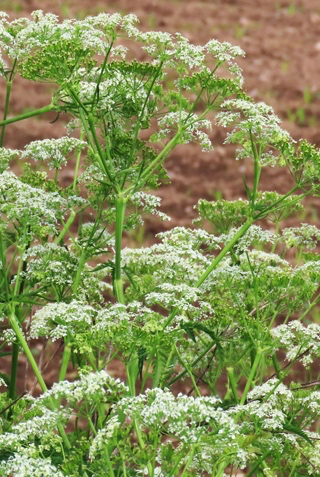
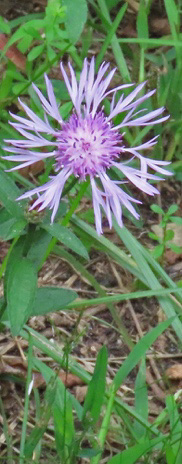
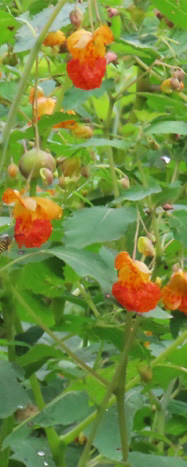
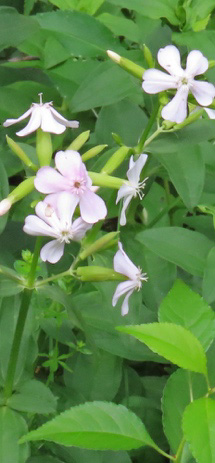
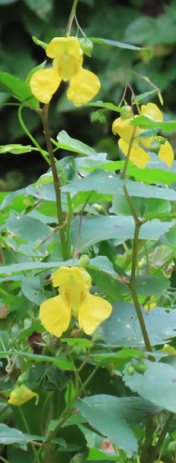
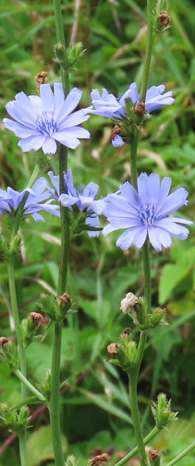
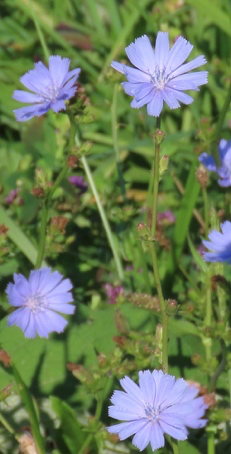
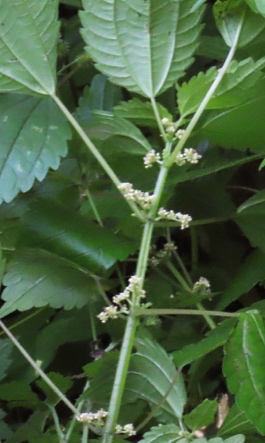
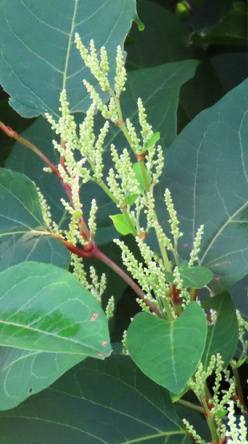
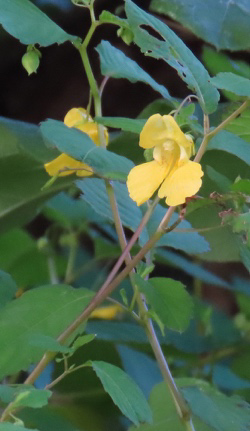
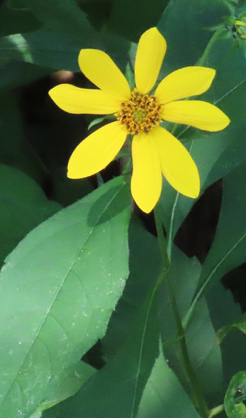
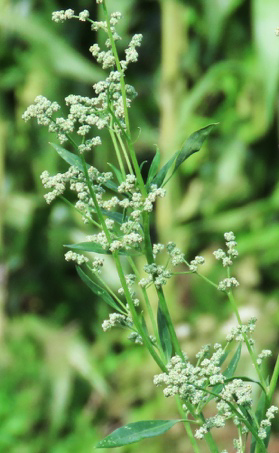
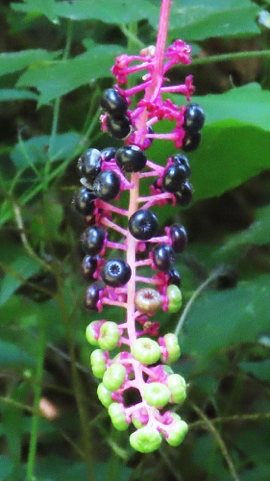
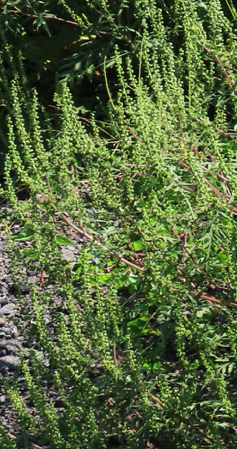
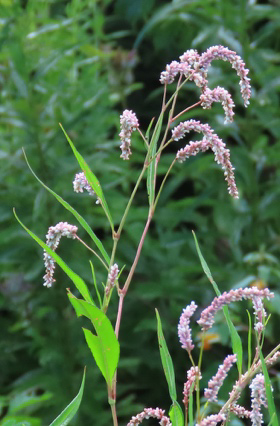
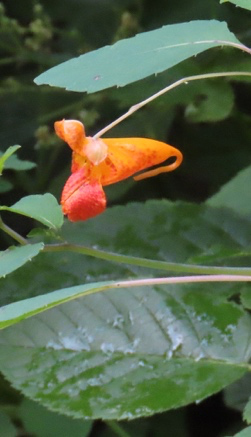
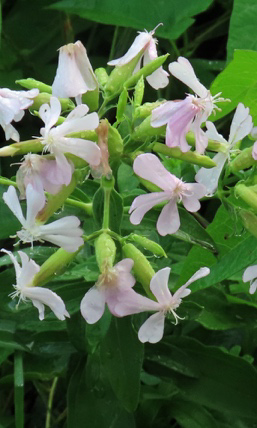
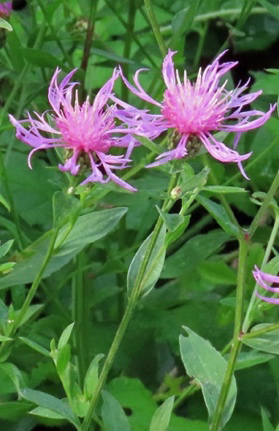
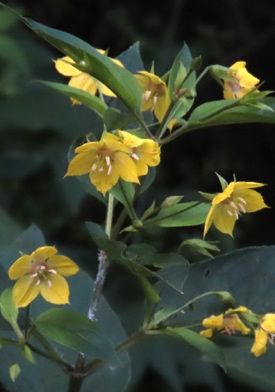
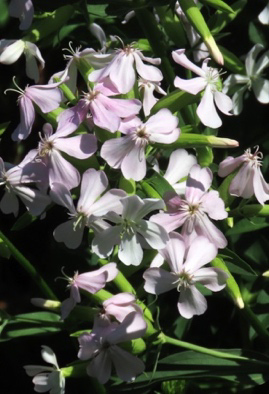
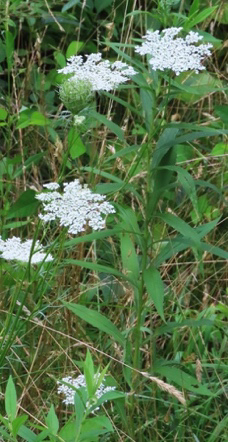
A few plants that have been in flower for many weeks remain conspicuous along the trail in late August – goldenrods, soapwort, Joe-Pye weed, chicory, spotted knapweed, and Queen Anne’s lace – but new flowers keep appearing, too. Some are attractive – spotted and pale jewelweed, smartweed, sunflowers, and different asters – but several of the newly flowering plants are quite dull in appearance, including pigweed (lamb’s quarters), ragweed, and (nasty) Japanese knotweed. Be careful touching nettles! Horse balm is abundant in the glade (#14), and fruits like those of pokeweed are developing.

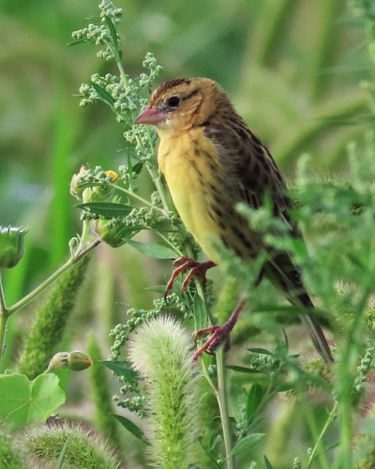
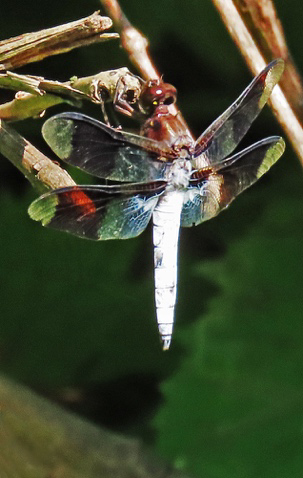
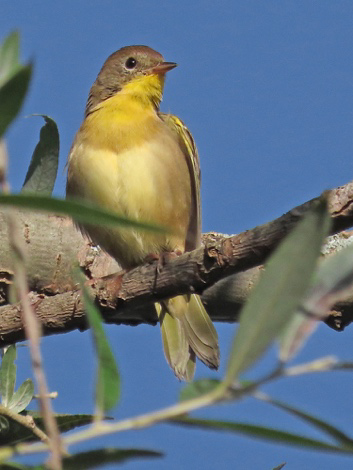
Bobolinks and red-winged blackbirds have been numerous around the beginning of the trail, and goldfinches and catbirds are ever present. Yellowthroats and yellow warblers are present, too, but less conspicuous than they were earlier. Pheasants have been spotted around #10. Look for dragonflies and butterflies, too. Conditions along the trail are definitely those of early fall.

Want to test your knowledge?  Hover your mouse over or click on any image to see the name!

E.H.Williams Nature Observations August 24th, 20202020-09-22T13:45:48-04:00

E.H.Williams Nature Observations August 5th, 2020

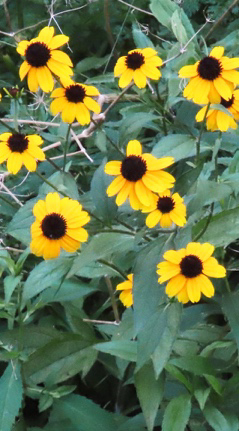
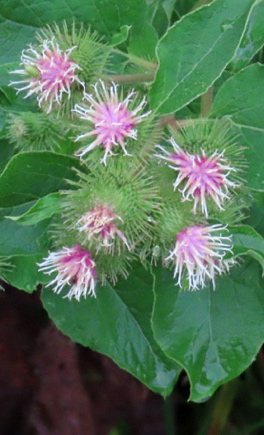
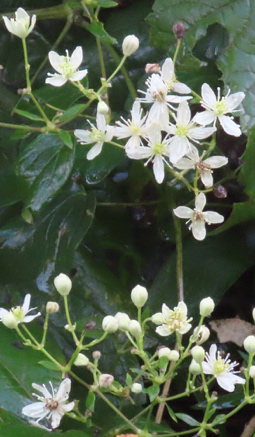
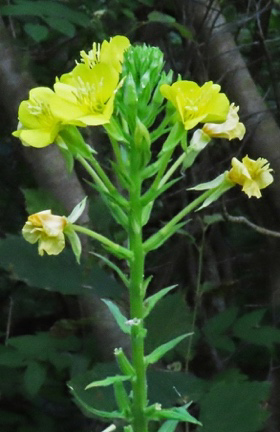
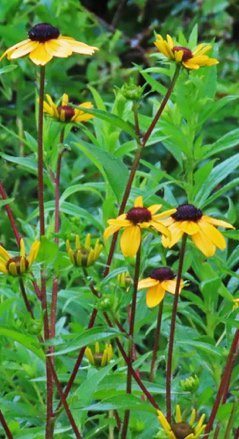
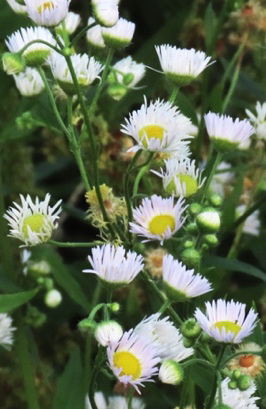
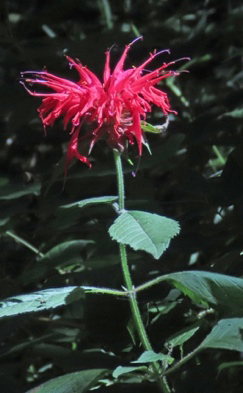
Summer is passing quickly! The most abundant flowers along the trail in early August are Queen Anne’s lace, spotted knapweed (a noxious invasive), daisy fleabane, bindweed, and soapwort (bouncing Bet), while typical late summer flowers – goldenrods and asters (and ragweed!) – are emerging. Clematis, coneflowers, evening primrose, and bee balm (monarda) are recognizable because of their similarity to garden plants. Red and white clover, chicory, and alfalfa remain abundant where we walk through the field. Native wildflowers keep appearing, contributing to more than 120 flowering plants identified along the trail since April. Soon – the next update – we’ll be in the season of fruit and seed dispersal.

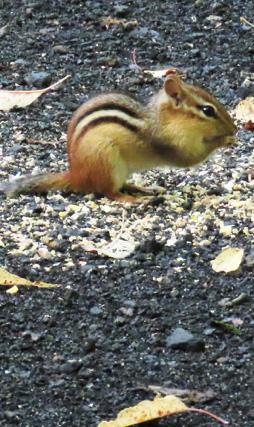
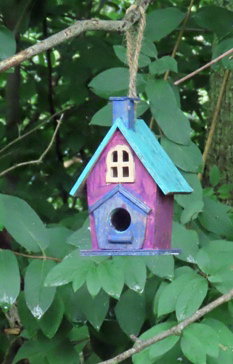
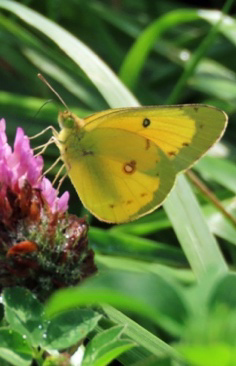
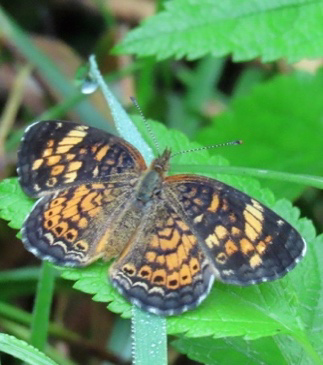
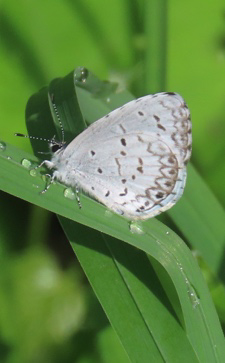
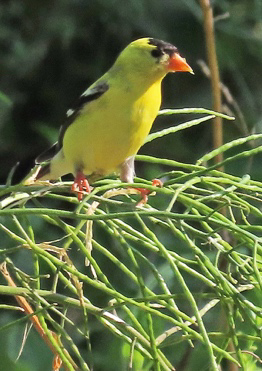
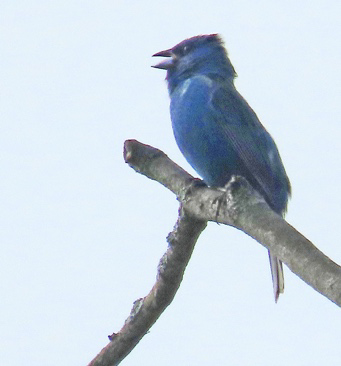
The trail remains a wonderful place for wildlife. On every trail walk I hear song sparrows, goldfinches, indigo buntings, cardinals, catbirds, and bullfrogs. The open fields around Dugway support both orange and clouded sulphur butterflies, while pearl crescents and summer azures appear along open sections of the trail. Chipmunks remain abundant. A new fairy birdhouse has appeared; can you find it? (ask for a hint about its location). All photos below are from the past week.

Want to test your knowledge?  Hover your mouse over or click on any image to see the name!

E.H.Williams Nature Observations August 5th, 20202020-09-13T11:27:47-04:00

Clinton Record – Kirkland Trails, Hamilton College update town board

KIRKLAND — Two guests took up the lion’s share of time updating the Kirkland Town Board who met for its monthly meeting in the Kirkland municipal building on Wednesday, July 15.

Sharon Williams, president of Kirkland Trails, Inc. updated the board on the groups progress in transitioning from Phase I to Phase II in developing a three-mile series of safe, walking and bicycle riding trails along the historic railroad and canal corridors of Kirkland running along Route 12B and 233, crossing Dugway Road and connecting to Route 315 in Deansboro to the Town of Marshall trail.

Read the full article on Romesentinel.com

Clinton Record – Kirkland Trails, Hamilton College update town board2020-08-04T12:00:49-04:00

E.H.Williams Nature Observations July 15th, 2020

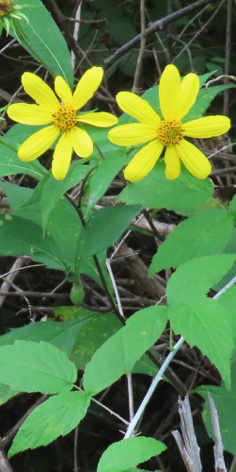
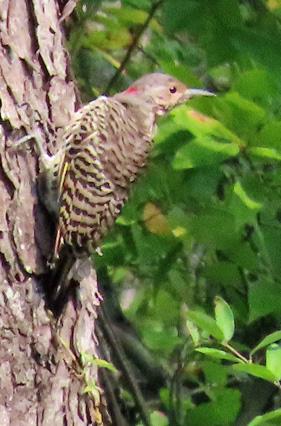
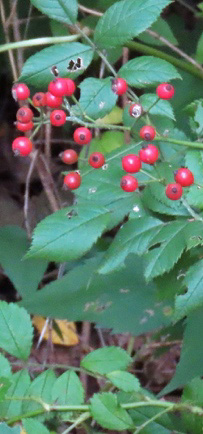
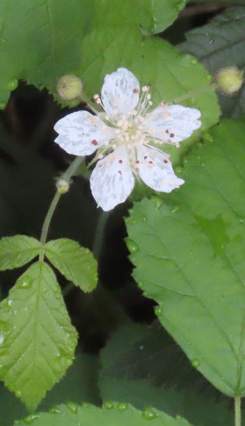
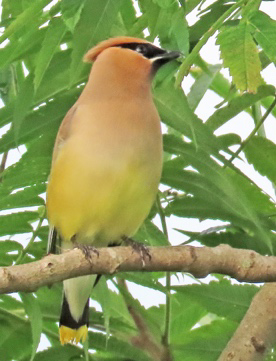
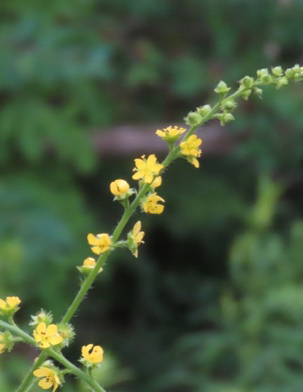
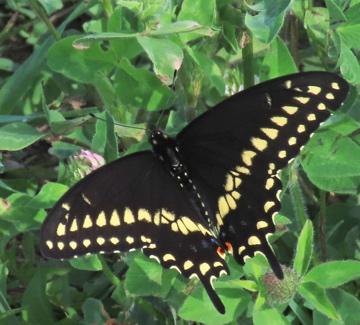
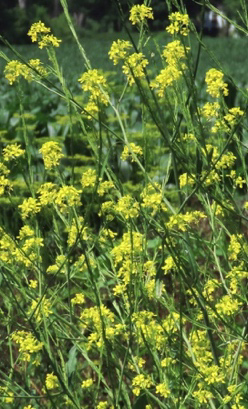
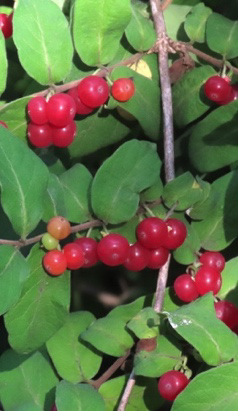
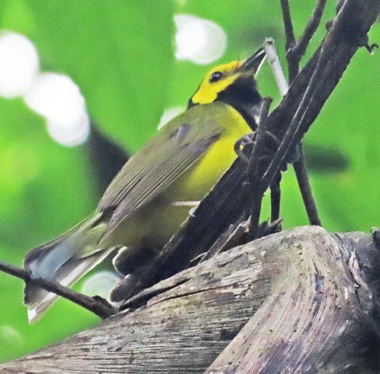
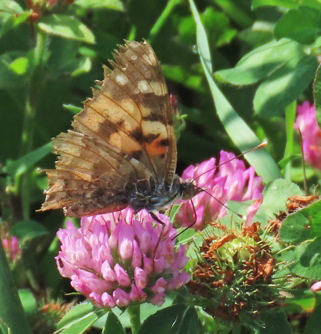
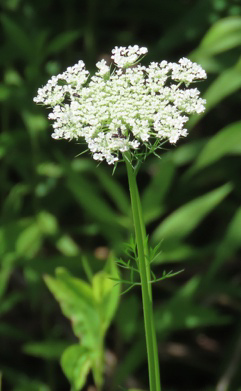
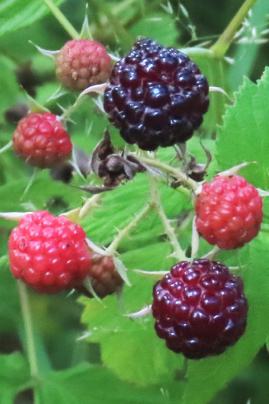
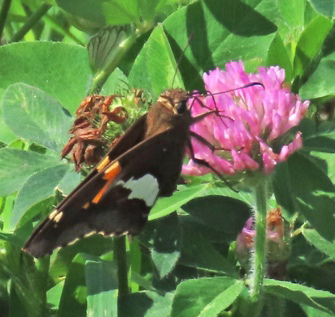
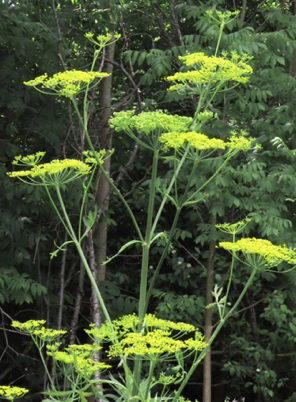
Mid-summer has arrived along the Kirkland Trail (all photos from the past few days); the heat of early July has accelerated seasonal changes. Field mustard and soapwort are currently the most abundant flowers, and raspberry and honeysuckle fruits are ripening. Beware of wild parsnip on trail edges; in the presence of sunlight, its sap can cause a bad rash. Yellowthroats, song sparrows, and catbirds sing all along the trail, and on each walk I almost always hear an indigo bunting singing at #12 and a scarlet tanager at #23 (29 species of birds in total on July 13; hooded warbler was a special find). Bullfrogs are harrumphing near #10. Chipmunks are everywhere along the trail (as are deer flies), and numerous butterflies are out in open areas, especially north of Dugway. Look for monarchs!

Want to test your knowledge?  Hover your mouse over or click on any image to see the name!

E.H.Williams Nature Observations July 15th, 20202020-07-17T10:54:07-04:00

E.H.Williams Nature Observations June 30th, 2020

The nicest flowering plant right now is the shrub snowberry, found in abundance at stake #12. One of the nicest spots along the trail is the glade at #14, while the deepest woods are between #20 and #23. A scarlet tanager is always singing near #23. In the past 2 days I’ve found 18 species of birds; most conspicuous by song are yellowthroat, catbird, song sparrow, veery, and redwing. Since the beginning of the growing season, I’ve recorded 88 species of plants in flower along the trail (I’m maintaining a record of their flowering phenology). The first berries (fruit) are appearing. Chipmunks are abundant along the trail, and occasionally a woodchuck, rabbit, or green frog appear, along with several species of butterflies.

Want to test your knowledge?  Hover your mouse or click on any image to see it’s name!

E.H.Williams Nature Observations June 30th, 20202020-07-21T12:53:41-04:00

E.H.Williams Nature Observations June 15th, 2020

I walked all of phase 1 (north & south) this morning, and here’s a report of nature along the trail.  You may find this interesting.

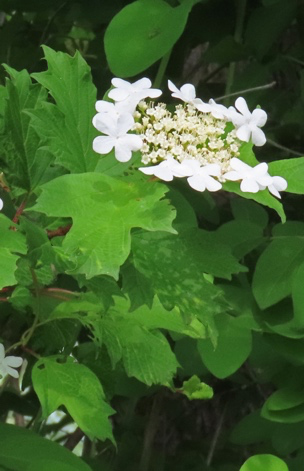
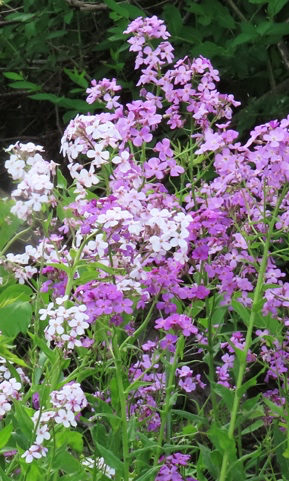
The most abundant flowers now are multiflora rose and Dame’s rocket, with dogbane, valerian, and cinquefoil among the nicest natives in flower. I’m maintaining a chart of flowering phenology of all plants along the trail, and thus far 61 plant species have flowered, with many more yet to come.

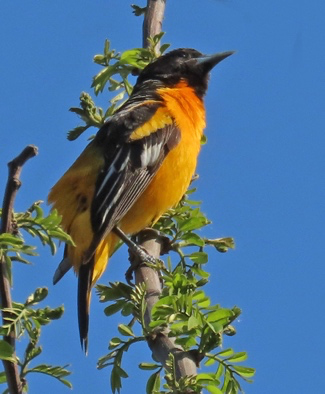
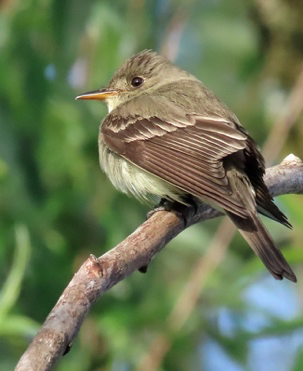
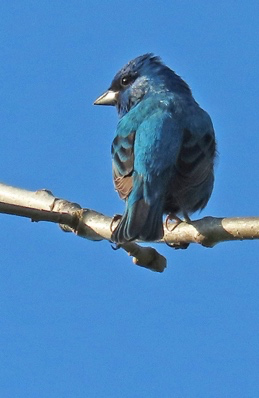
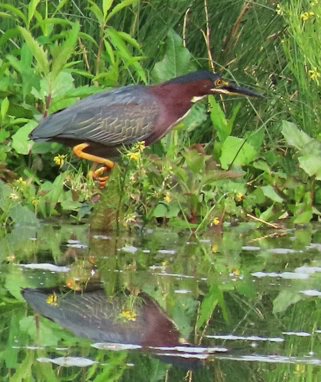
I saw and heard 24 species of birds. Among the easiest to see are song sparrows and yellow warblers. Other birds included scarlet tanager, indigo bunting, yellowthroat, chestnut-sided warbler, veery, phoebe, pewee, cardinal, oriole, blue-winged teal, cardinal, and redwings.

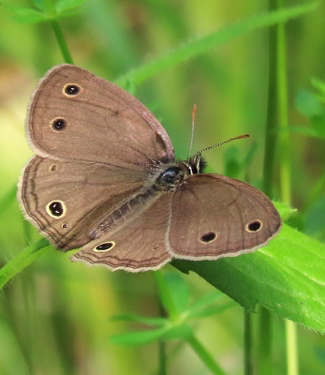
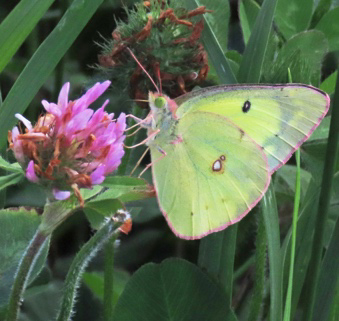
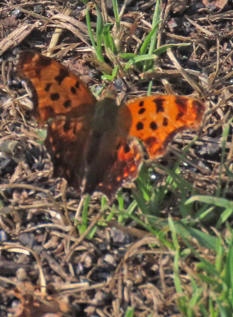
Six species of butterflies were along the trail: cabbage white, clouded sulphur, question mark, pearl crescent, little wood satyr, and hobomok skipper.

Want to test your knowledge?  Hover your mouse over or click on an image to reveal it’s name!

E.H.Williams Nature Observations June 15th, 20202020-07-17T11:01:24-04:00

Rome Sentinel: Kirkland Trails NY receives permit to begin development of trail system

The Kirkland Trails NY committee has now received a permit from the state to go ahead and develop the historic Chenango Canal Trail for recreational use following an effort that’s taken close to a year.

Crews from the Town of Kirkland Highway Department will soon be out mowing and leveling the 2.5 mile trail to prepare it to eventually be covered by stone dust.

“We’re very excited we got the permit,” said Sharon Williams, president of the Kirkland Trails Board of Directors.

Read More at Rome Sentinel…

Rome Sentinel: Kirkland Trails NY receives permit to begin development of trail system2020-01-08T21:23:27-04:00
Go to Top