

corrine

About corrine

This author has not yet filled in any details.
So far corrine has created 51 blog entries.

E.H.Williams Nature Observations August 1st, 2022

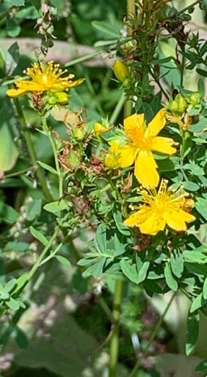
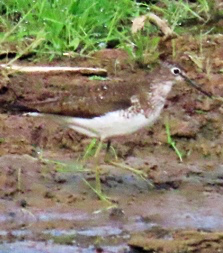
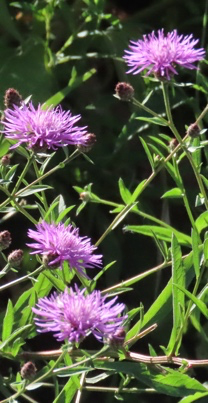
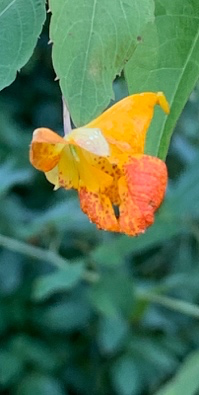
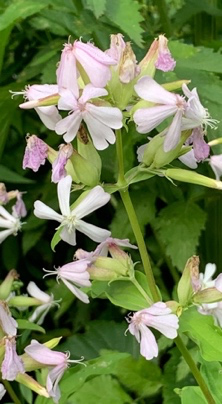
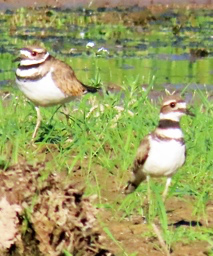
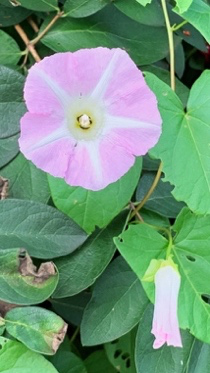
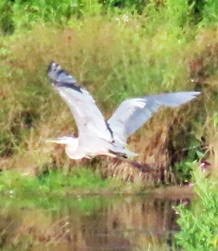
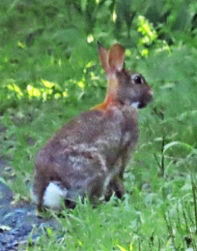
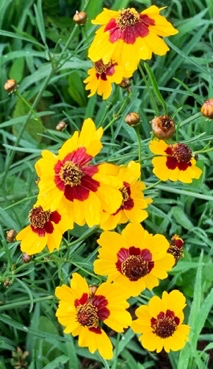
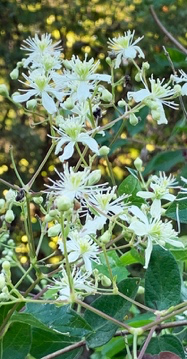
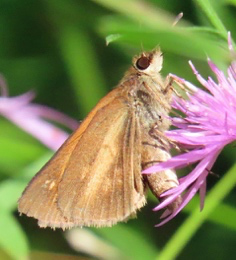
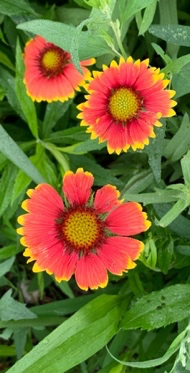
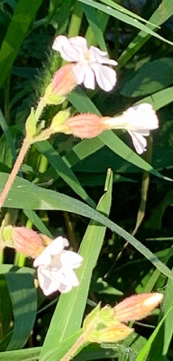
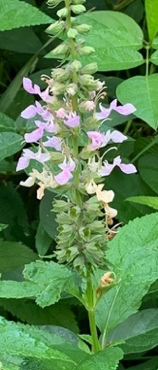
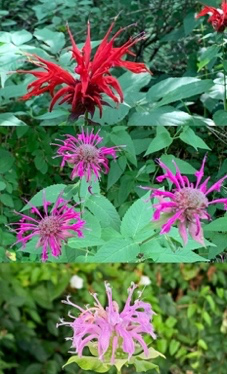
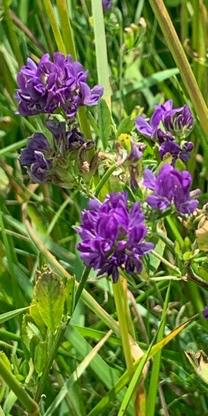
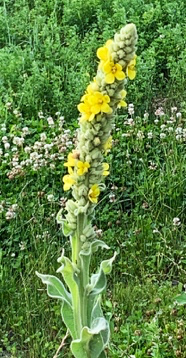
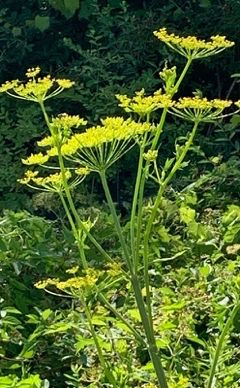
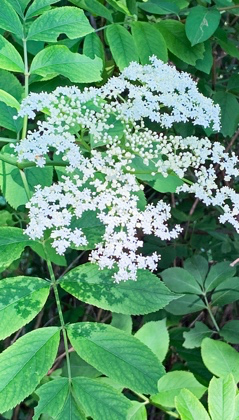
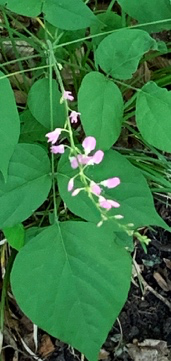
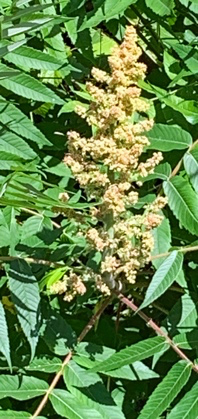
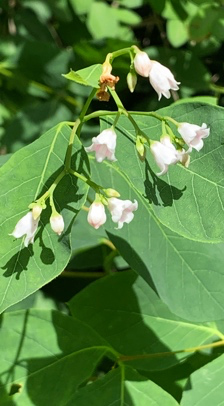
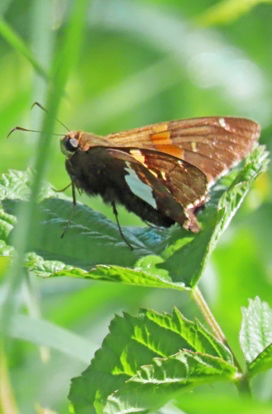
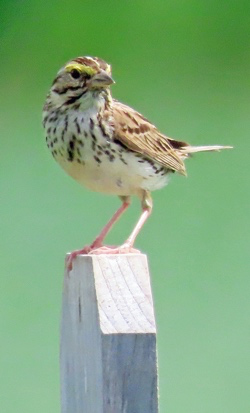
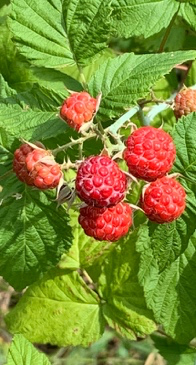
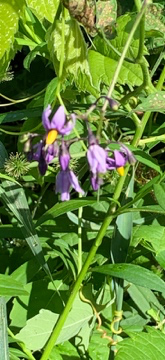
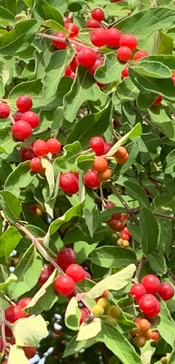
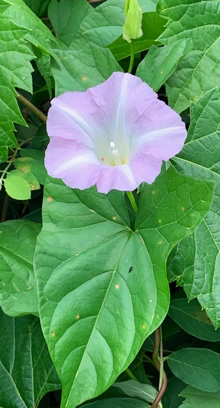
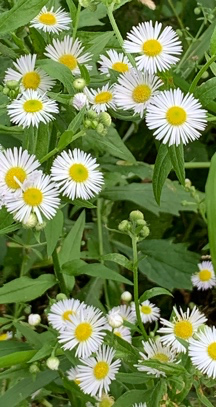
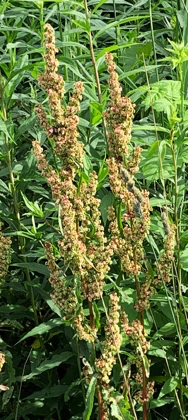
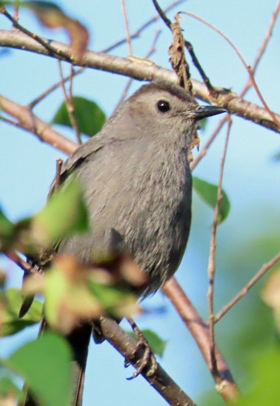
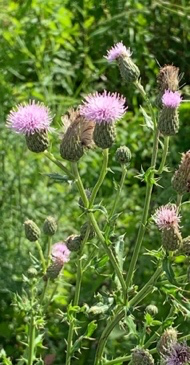
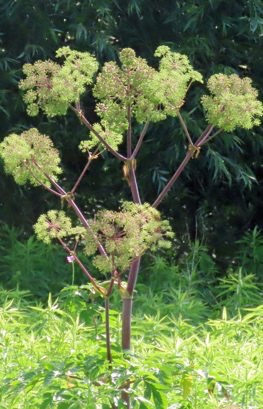
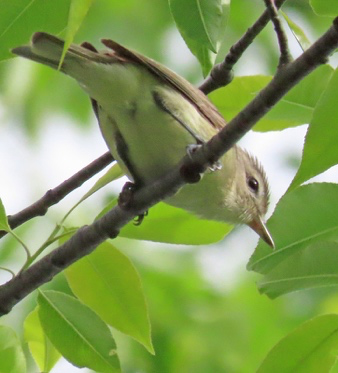
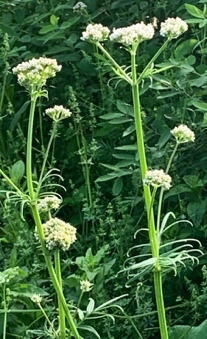
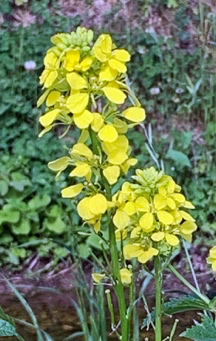
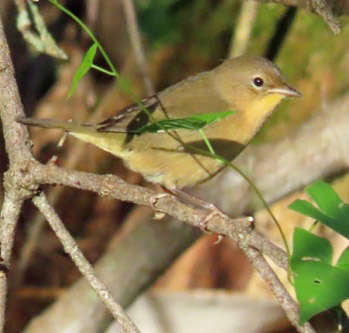
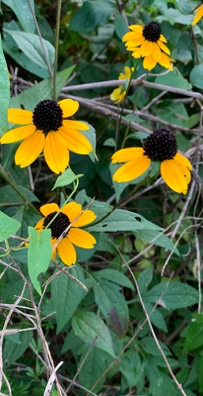
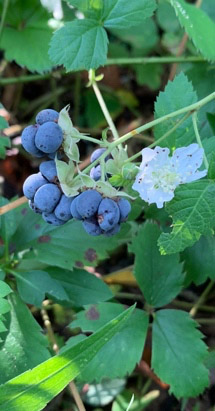
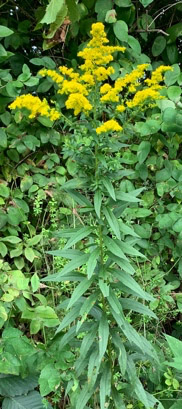
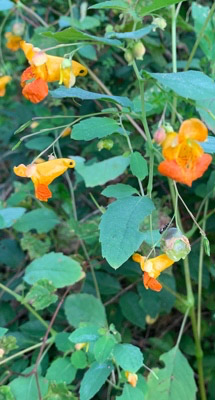
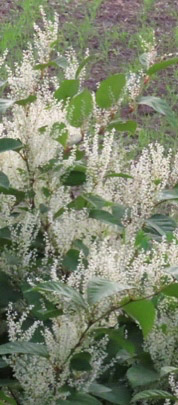
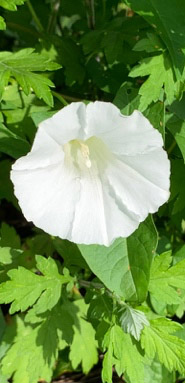
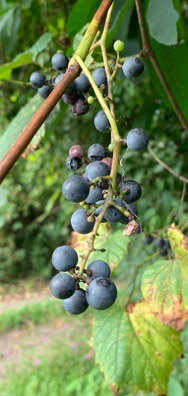
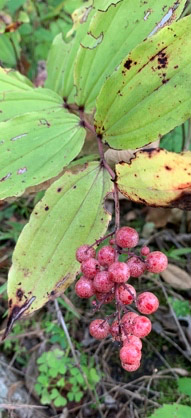
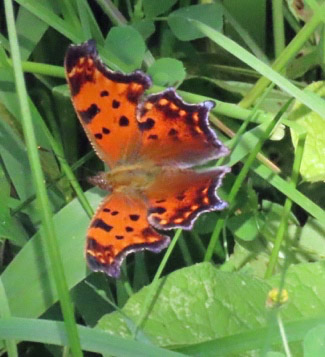
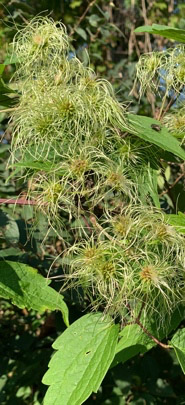
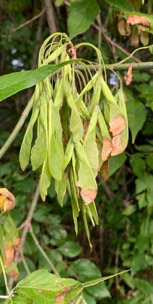
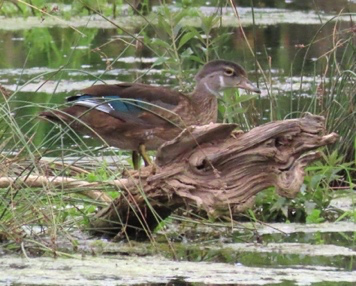
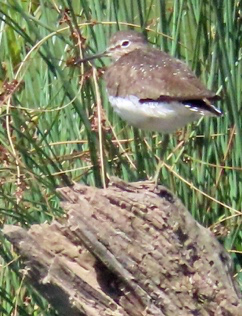
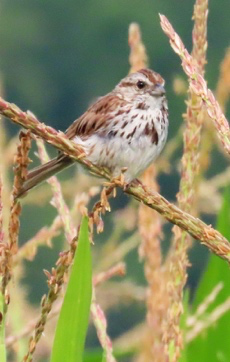
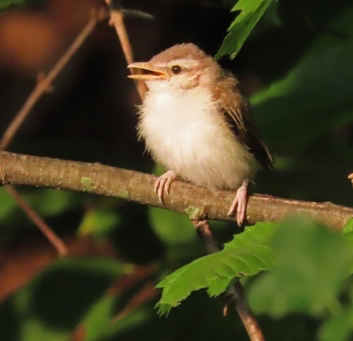
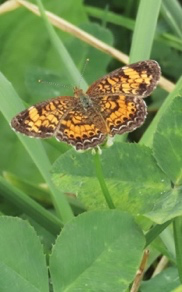
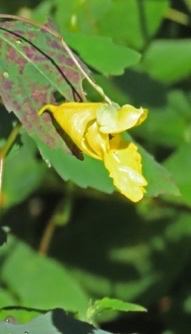
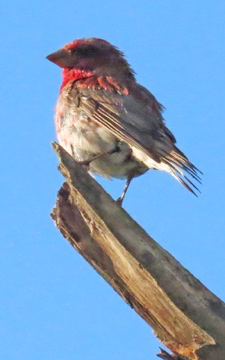
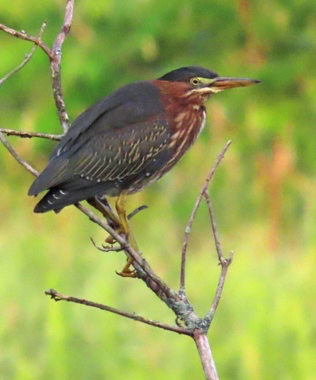
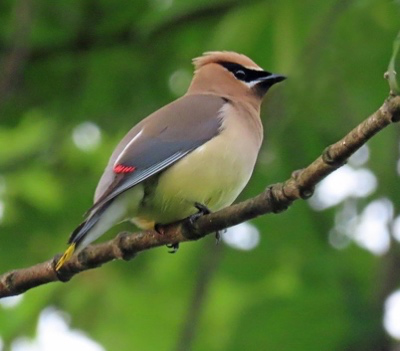
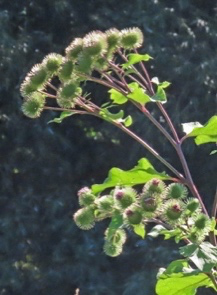
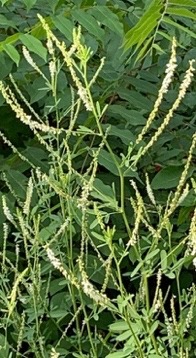
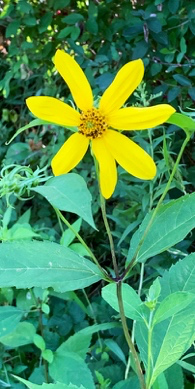
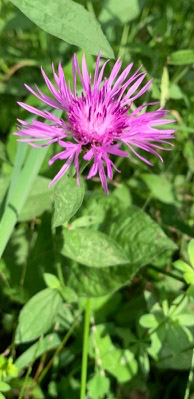
The photos below show diversity and beauty you can see along the Kirkland Trail now. Trail edges are dominated by flowers of the first five plants in the first row (knapweed is a nasty invasive); the last three flowers in that row are garden plants added to the trail where removal of Japanese knotweed is continuing. Yellow warbler, common yellowthroat, song sparrow, goldfinch, indigo bunting, cardinal, robin, and catbird continue to sing along much of the trail, though they’re seen less often at this stage of summer. Even though the water is low and algal filled, the pond remains a hot spot for activity, with frequent appearances of great blue heron, green heron, killdeer, spotted sandpipers, geese, and mallards. Several butterflies flit along open trail edges. Numerous other plants are in flower, too; look for both kinds of jewelweed and three varieties of beebalm (Monarda), red, wine, and pink. But the summer is passing; goldenrod has begun to flower, boxelder seeds are maturing, and honeysuckle is in fruit.

E.H.Williams Nature Observations August 1st, 20222022-08-15T16:54:46-04:00

E.H.Williams Nature Observations July 1st, 2022

Each month is different, but there’s always much to see along the Kirkland trail! I took all the photos below on June 29-30. You’ll see flowers in open areas – along trail edges and in fields. Daisy fleabane, field mustard, and wild parsnip are currently the most abundant, but beware the last one because its sap causes a rash. Shrubs currently in flower – dogwood and elderberry – are white, while honeysuckle and raspberries have started producing colorful fruit.
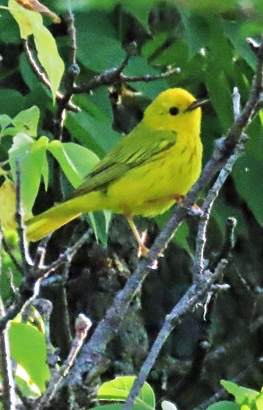
Listen and you’ll hear an appealing soundtrack along the trail, with warblers, catbirds, song sparrows, and red- winged blackbirds being the most vocal. I found 30 species of birds these last 2 days, including green herons and a kingfisher at the pond. Volunteers have worked to control the Japanese knotweed near the beginning, and the town has mowed the trail edges, so you can enjoy a July 4th walk on our local trail.

E.H.Williams Nature Observations July 1st, 20222022-08-15T16:21:41-04:00

E.H.Williams Nature Observations June 1st, 2022

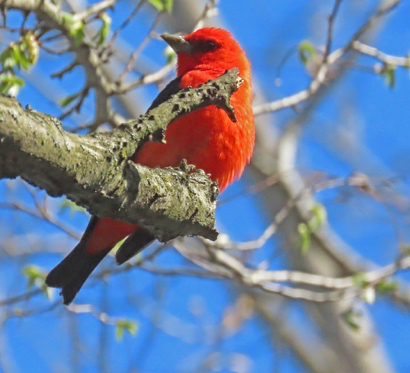
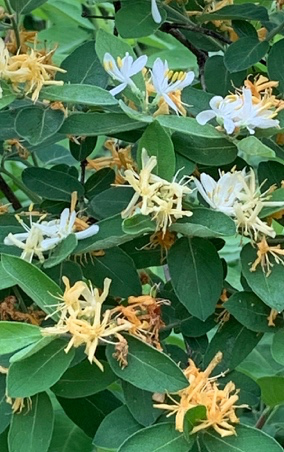
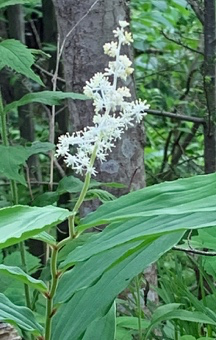
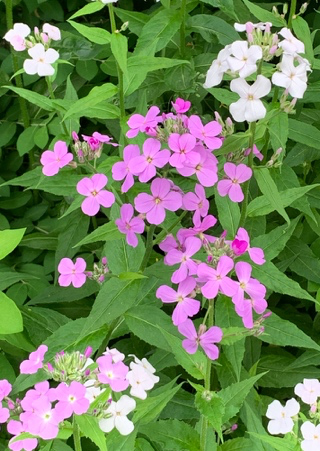
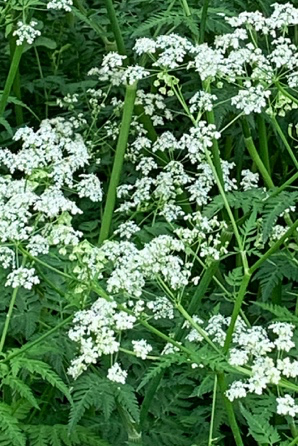
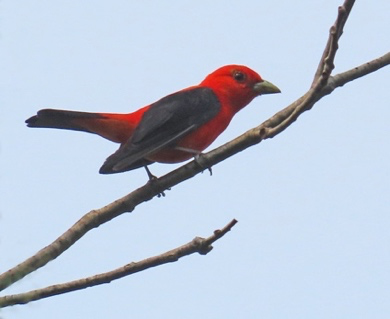
May brings late spring wildflowers; replacing trillium and trout lily, we find dame’s rocket, golden Alexanders, and honeysuckle bringing color to the trail edges. (Side note: Dame’s rocket resembles phlox, but dame’s rocket, a mustard relative, has four petals while phlox has five petals; count the petals!) Many new plants are in flower along the trail, only a few of which are shown below. White patches of chervil are dense in places. May is also a month of abundant bird song and color; just sit on one of the trail benches and listen. Japanese knotweed has begun to grow rapidly and is being fought by a gallant crew of trail volunteers (you’ll see tarps near the trail head). Other than the scarlet tanager photographed on May 8, all the photos below are from the past two weeks.

E.H.Williams Nature Observations June 1st, 20222022-06-07T13:31:02-04:00

E.H.Williams Nature Observations May 1st, 2022

Spring has brought the emergence of plants and the return of migrant birds to the Kirkland Trail. Here’s an update, with all comments and photos and from Sunday, May 1 (yesterday) along the trail from Dugway Rd to Deansboro.

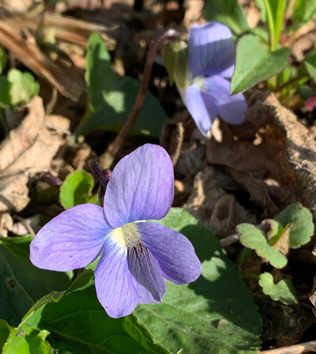
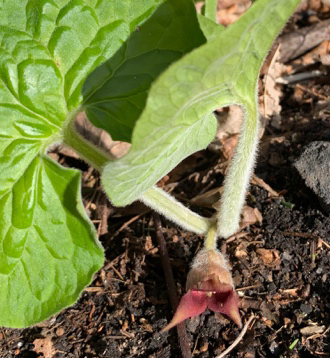
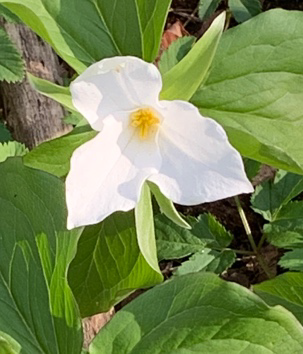
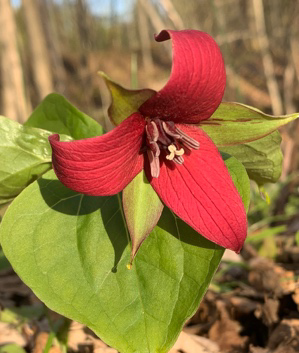
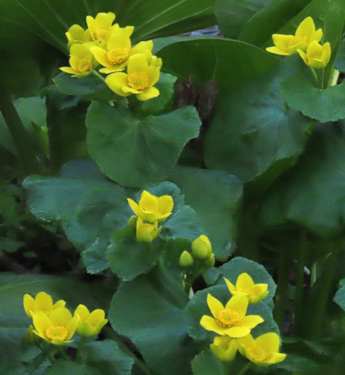
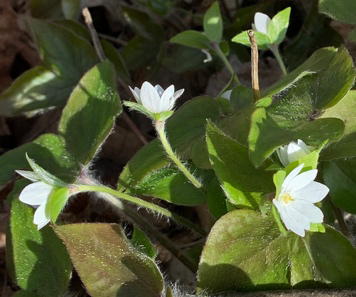
Both red and white trillium are flowering in abundance, with more red trillium than in previous years. As water has receded from low areas, march marigold has begun to flower, and also in flower are blue cohosh, blue violet, and wild ginger. The last hepatica and skunk cabbage flowers are still visible, but they are declining quickly. By the number of species in flower, this spring appears to be a little delayed compared to spring a year ago.

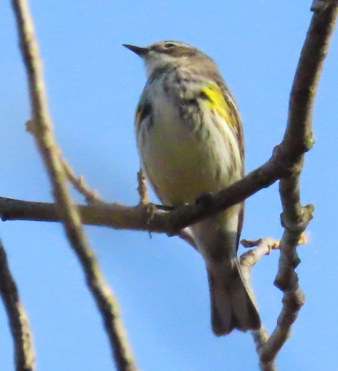
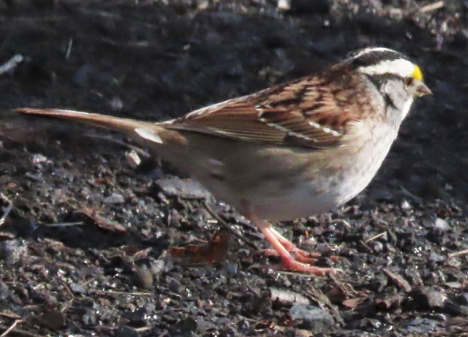
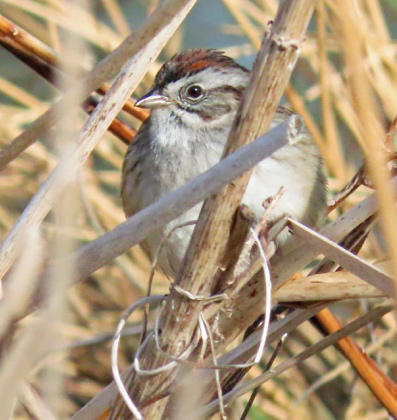
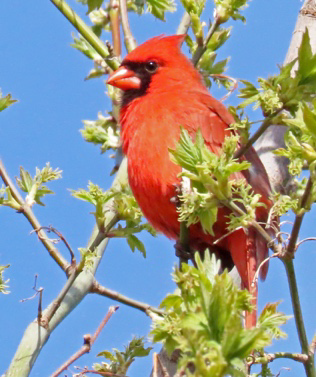
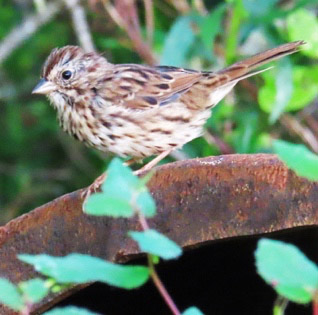
Migrant birds are back, and bird song is continuous during morning hours. Red-winged blackbirds are back in large numbers as expected. A wave of ruby-crowned kinglets was passing through yesterday, and warblers included yellow, northern waterthrush, and yellow-rumped (aka “butter butts”), with more warblers still to come. Swamp sparrows were singing in marsh areas. Other species conspicuous along the trail included cardinals, song sparrows,
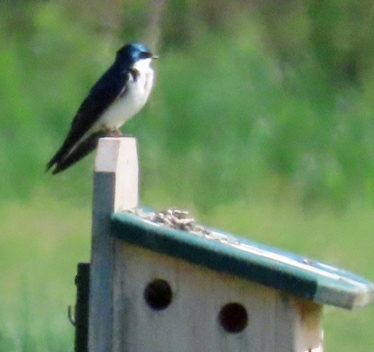
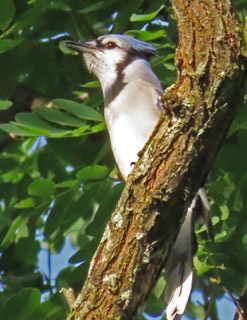
white-throated sparrows, red-bellied woodpeckers, downy woodpeckers, doves, robins, jays, and tree swallows.

The pond by the bench at marker 10 is high – beavers have reinforced the dam by the outflow – so the central pond islands remain submerged. A green heron flew overhead while I was there. An early-spring large pond on the left (east) side has mostly drained, so most of the trail looks the way it did last year. The problemsome knotweed at the beginning of the trail has yet to appear. As I wrote last year, emerging leaves add a lace-like green to the spring forest, making this prime time for a trail walk in the woods with much to see and enjoy.

E.H.Williams Nature Observations May 1st, 20222022-05-19T12:28:53-04:00

E.H.Williams Nature Observations September 8th, 2021

With fall well underway, here’s the last (!) nature update for 2021. All photos below are from this morning, Sep 8, 2021.

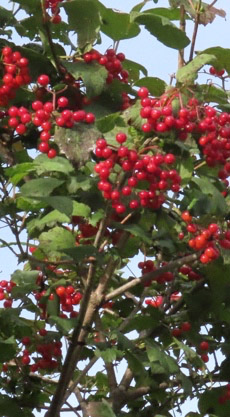
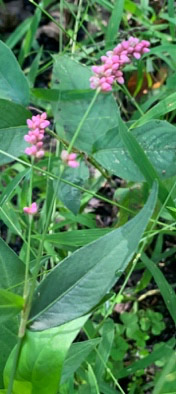
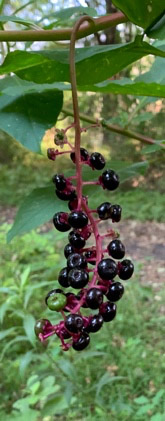
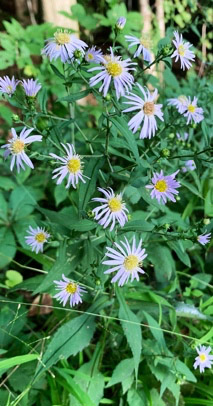
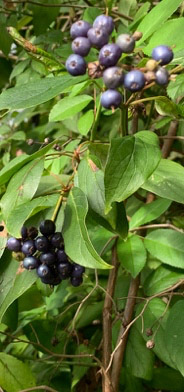
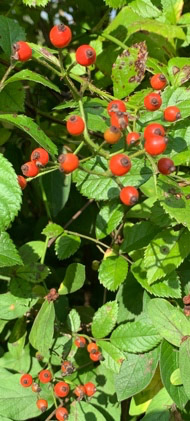
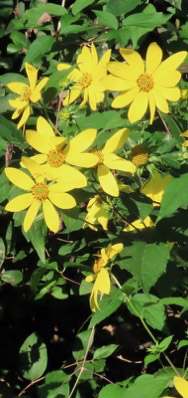
Migration has begun, but many young birds can be seen, along with a few butterflies. A great blue heron and kingfisher were at the pond (always a hot spot), and so too was a baby beaver! The second and third rows show plants currently in flower along the trail, including typical late season asters and goldenrods and (boo, hiss) invasive Japanese knotweed and spotted knapweed. The 4th row shows end-of-season fruits. The trail will remain a very nice place to walk for another 2 months, so here’s a challenge for you: if you go soon, how many of these flowers and fruits can you see?

E.H.Williams Nature Observations September 8th, 20212022-05-19T12:28:02-04:00

E.H.Williams Nature Observations August 5th, 2021

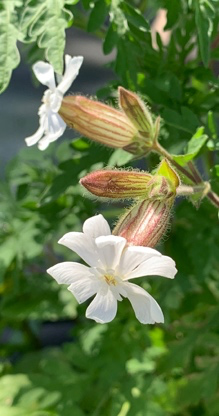
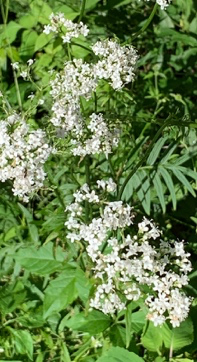
Late season changes have arrived with the month of August. Bird song has diminished significantly, but birds are still abundant, many young being present. The plants in flower are those with extended flowering periods, a number of which have been featured in previous updates. The photos below are all since the last KT nature update (July 19); the first row shows birds from around the pond, always a hot spot for observations.
E.H.Williams Nature Observations August 5th, 20212021-08-08T16:59:58-04:00
Go to Top